
Changlaishun
Choosing the best Tractor Equipment from China requires more than comparing prices or counting horsepower. Farmers, contractors, and fleet managers need machines that match their soil, workload, climate, and maintenance capacity. A compact tractor may suit orchards, while a heavier model can handle deep tillage and demanding field operations.
China offers a wide range of tractors, loaders, tillers, attachments, and replacement parts. Experienced buyers usually examine engine performance, hydraulic response, transmission quality, fuel efficiency, and operator comfort. They also check welding points, tire condition, control layout, and access to service parts. Small details matter. A difficult-to-reach filter can turn routine maintenance into wasted labor.
Reliable evaluation should include manufacturer history, factory documentation, warranty terms, and independent user feedback. Product certifications and compliance records deserve careful review for the destination market. A trusted supplier should explain production capacity, inspection procedures, delivery schedules, and after-sales support clearly. Factory photographs are useful, but an on-site inspection or third-party report provides stronger evidence.
No shortlist is flawless. A low-cost tractor may perform well but offer limited local support. A premium model may provide better comfort without delivering the highest return for every farm. Real performance can also change with soil conditions and operator habits. That uncertainty deserves attention.
This guide compares practical tractor categories from China and explains where each option may fit. It focuses on measurable specifications, ownership costs, serviceability, and field experience. The goal is not to promote one brand blindly, but to help buyers make a balanced, defensible decision.
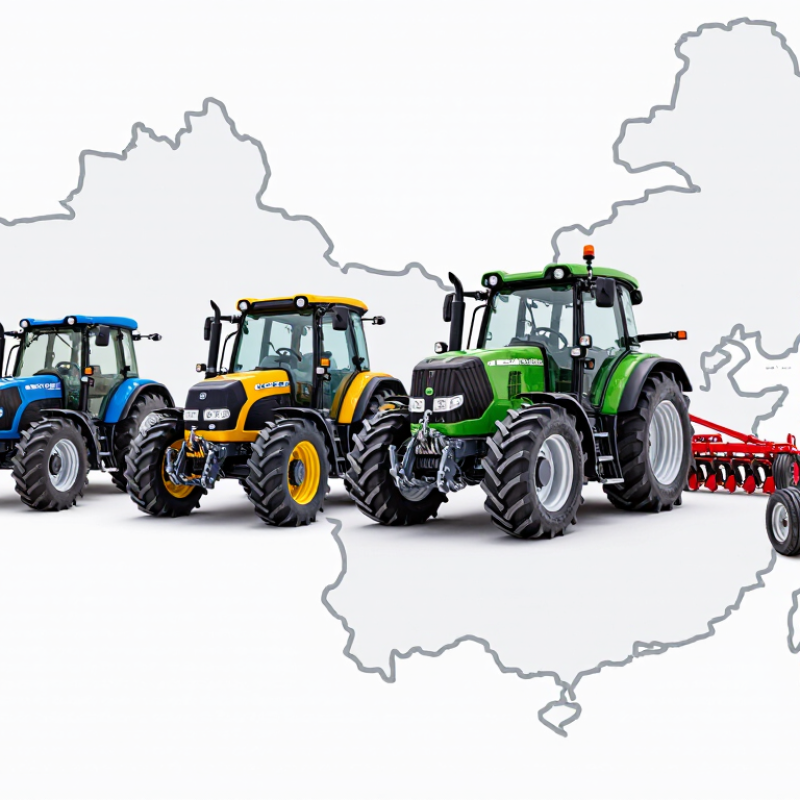
What Is the Best Tractor Equipment from China?
China manufactures a broad range of tractor equipment for field, orchard, and transport work. Common types include ploughs, rotary tillers, disc harrows, seeders, cultivators, balers, trailers, and front loaders. Each tool serves a different soil condition or production stage. A rotary tiller suits smaller plots and vegetable beds. A disc harrow handles crop residue and heavier soils. Seeders improve row spacing, while balers reduce manual handling after harvest.
Market data supports this growing equipment diversity. The China agricultural machinery market is projected to expand at more than 5% annually through 2030, according to Mordor Intelligence’s 2024 market analysis. The FAO Statistical Yearbook 2023 also links mechanization with improved labor productivity, although benefits depend on proper machine selection. Bigger is not always better. Oversized implements can compact soil and waste fuel.
From practical inspections, compatibility matters more than appearance. Check tractor horsepower, three-point hitch category, PTO speed, working width, and spare-part access. A 1.8-meter rotary tiller may work well with a medium tractor, but wet clay can overload it quickly. I have seen buyers focus on painted surfaces and overlook gearbox sealing. That is a costly mistake. Ask for load tests, material specifications, warranty terms, and service records. Certification requirements also vary by destination, so buyers should verify local safety and emissions rules before shipment.
High-quality Chinese tractor equipment is defined by practical performance, not bright paint or impressive brochures. From field inspections, I look closely at the engine response, transmission shifts, hydraulic pressure, and frame construction. A reliable tractor should start smoothly on a cold morning and maintain steady power under load. The gearbox should engage without grinding. The hydraulic system must lift heavy implements without sudden dropping or overheating.
Durable materials matter. Thick steel around the chassis, clean welds, protected wiring, and sealed connectors can reduce failures in dusty fields. A responsive power take-off is also important for rotary cutters, seeders, and pumps. Operator comfort deserves attention too. Clear controls, adjustable seating, low vibration, and good visibility can prevent fatigue during long workdays. I once trusted a polished finish too quickly. That was a mistake. Paint can hide weak preparation.
Tips: Request maintenance records, spare-parts information, and a live operating test. Check oil leaks after the tractor reaches working temperature. Measure hydraulic lifting performance with your own implement when possible. Ask whether service technicians understand the exact engine and transmission configuration. Documentation should be clear, consistent, and easy to verify. No checklist catches every issue, but careful testing exposes many costly weaknesses. A sensible buyer should compare fuel use, repair access, warranty terms, and local support before choosing equipment.
China offers a broad range of tractor equipment for farms, landscaping, construction, and small-scale transport.
Leading manufacturers commonly produce compact tractors, utility tractors, orchard tractors, crawler tractors, and four-wheel-drive models. Each category serves a different working environment. Compact tractors suit narrow fields and greenhouse paths. Utility tractors handle plowing, rotary tilling, towing, and loader work. Crawler models provide stronger traction on muddy or uneven ground.
Attachment choice often matters as much as engine power.
Buyers can compare front loaders, backhoes, mowers, seeders, tillers, trailers, and snow blades. In my equipment evaluations, hydraulic response, three-point hitch control, and service access deserve close attention. A tractor may look powerful on paper but perform poorly with an unsuitable implement. Check the rated lift capacity, PTO speed, tire design, and fuel consumption under real workloads.
Reliable purchasing requires more than comparing prices.
Request engine test records, parts diagrams, warranty terms, and maintenance intervals. Confirm that safety guards, braking systems, lighting, and emissions features meet local requirements. Ask for a live demonstration when possible. Small details matter, such as cold-start behavior and access to the oil filter. Some suppliers communicate well before delivery but respond slowly afterward. That risk deserves honest consideration. A careful buyer should inspect the machine after arrival, because transport damage and unclear assembly instructions can still create avoidable problems.
Choosing the best tractor equipment from China requires more than comparing horsepower. Field performance should be checked under real loads, not only showroom specifications. The OECD Tractor Test Code measures PTO output, drawbar performance, hydraulic capacity, and fuel consumption under controlled conditions. These figures reveal whether a 90 kW tractor can maintain speed while pulling a loaded implement.
Test the tractor on wet soil, hard ground, and sloped fields. Watch engine response, transmission shifts, tire grip, and hydraulic recovery time. China’s Ministry of Agriculture and Rural Affairs reported that China’s crop mechanization rate exceeded 73% in 2023. This indicates strong market experience, but local soil conditions still matter. A tractor suited to rice fields may perform poorly on dry, compacted land.
Operating cost needs a simple calculation. Use fuel consumption in litres per kilowatt-hour, annual working hours, fuel price, and maintenance expenses. Nebraska Tractor Test Laboratory reports these performance measurements for comparable machines. Durability also depends on cooling design, filter access, axle strength, and service records. Ask for parts availability and documented test results. Do not trust painted metal alone.
My own comparison would include a 500-hour operating log. That is imperfect, but useful. Record fuel, downtime, repairs, and operator feedback. A cheaper tractor can become expensive after repeated hydraulic leaks or long parts delays. A spreadsheet can still lie. Real dust, uneven fields, and tired operators expose weaknesses that brochures often miss.
The best equipment depends on your soil, workload, and available service support. Small farms often need compact tractors with front loaders, rotary tillers, or small trailers. Orchard work demands narrow dimensions, careful steering, and low ground pressure. For field cultivation, stronger hydraulics and adjustable three-point hitches matter more than appearance. Construction tasks require stable lifting, reliable braking, and suitable counterweight. A machine that looks powerful may still perform poorly in wet soil.
Tips: Match horsepower to the implement, not only the tractor size. Check hydraulic flow, lifting capacity, tire options, and fuel use. Request testing videos, technical drawings, and maintenance schedules. Confirm spare-part availability before ordering. Ask whether local technicians can understand the service manuals. These details often reveal more than polished advertisements.
Experienced buyers also inspect welds, hose routing, control response, and cold-start performance. Safety guards should fit firmly, without sharp edges or loose fasteners. Independent certification and documented factory inspections improve confidence, but they cannot replace practical testing. One common mistake is choosing excessive horsepower for a small farm. It increases purchase and operating costs. Another mistake is ignoring operator comfort during long days. I would also leave room for doubt. Specifications may change between production batches, so every important detail should be confirmed in writing before payment.
Practical performance matters more than bright paint. It should start smoothly, deliver steady power, and shift without grinding.
Request a live operating test. Check cold-start behavior, hydraulic lifting, steering, braking, and power take-off response. Inspect for oil leaks after warming the engine.
Look for thick chassis steel and clean welds. Check protected wiring, sealed connectors, secure hoses, and firmly fitted safety guards. Loose fasteners are a warning.
Compact tractors often work well with front loaders, rotary tillers, or small trailers. Match horsepower to the implement, not just the tractor’s appearance. Too much power can increase costs.
Choose narrow dimensions, careful steering, and low ground pressure. Good visibility helps between trees. Tire options also deserve attention.
Strong hydraulics and an adjustable three-point hitch are important. Check lifting capacity, hydraulic flow, tire choices, and fuel use with your actual implements.
Request maintenance records, service schedules, and spare-parts information. Confirm local technician support and clear service manuals. Documentation can still contain mistakes, so verify key details in writing.
Yes. Adjustable seating, clear controls, low vibration, and good visibility reduce fatigue. Long workdays expose weaknesses quickly. I once trusted a polished finish too soon. That was my mistake.
Choosing the best Tractor Equipment from China requires a clear understanding of the available product types, quality standards, and intended applications. Chinese manufacturers produce a wide range of equipment, including compact tractors, utility tractors, agricultural implements, loaders, tillers, harvest-support machines, and specialized attachments. High-quality options are typically defined by reliable engines, strong frames, efficient transmissions, easy maintenance, fuel economy, operator comfort, and the availability of replacement parts and technical support.
When comparing equipment, buyers should evaluate field performance, durability under different working conditions, operating costs, warranty coverage, and long-term serviceability rather than focusing only on the purchase price. The ideal choice depends on the application, such as farming, landscaping, construction support, or property maintenance. By matching horsepower, attachment compatibility, lifting capacity, size, and technology to specific work requirements, users can select Chinese Tractor Equipment that delivers dependable performance, practical efficiency, and good overall value.
