
Changlaishun
Choosing a Two Wheel Tractor supplier involves more than comparing prices or horsepower. Buyers must consider field conditions, available attachments, parts access, and the support offered after delivery. A machine used on compact vegetable plots may need different tires and implements from one working on wet rice fields or sloped land. Details matter.
This guide introduces ten suppliers for global buyers and offers a practical starting point for comparison. It looks at product range, manufacturing experience, export readiness, and communication. These factors can help buyers prepare useful questions, but they do not guarantee that one supplier will suit every operation. A polished catalog is only one piece of evidence. Request current specifications, operating manuals, and clear details about warranty coverage and spare-part availability. If possible, ask for references from customers using similar equipment. Not every buyer can visit a factory, and even a video call has limits.
The suppliers discussed here may differ in production scale, customization, and regional service capacity. Buyers should confirm model details directly, including engine options, working width, gear selection, and compatible attachments. Check whether parts can be shipped reliably to your location. Also clarify training and technical support before placing an order. These steps take time. That time can prevent avoidable surprises. Supplier information and product lines can change, so verify important claims before making a purchase decision. This overview is a shortlist, not a final verdict; local soil, workload, budget, and service access still shape the right choice.
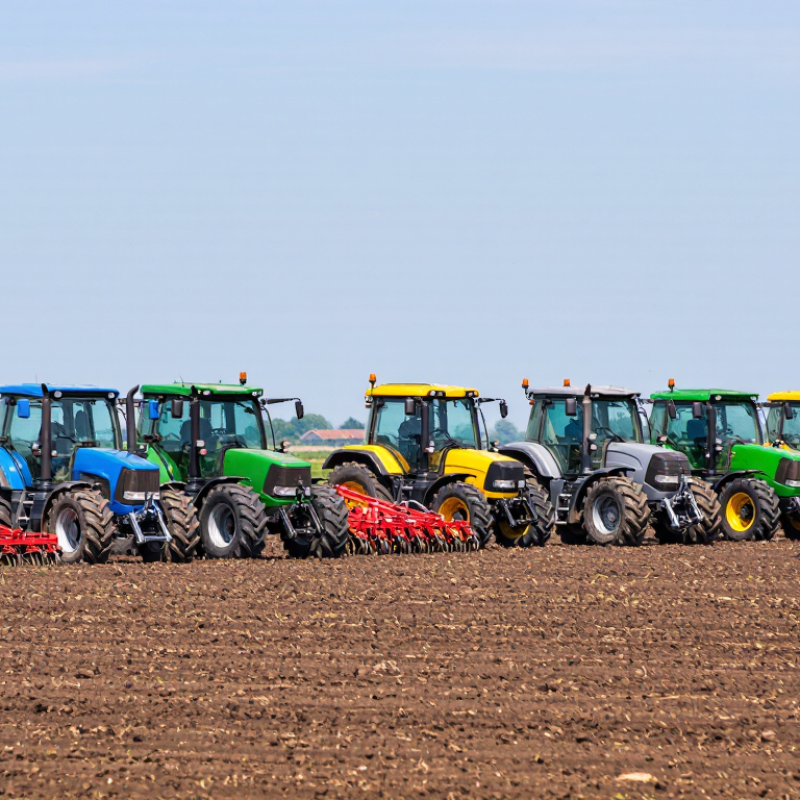
China’s two-wheel tractor industry serves small farms, orchards, vegetable plots, and transport tasks where larger machinery may be impractical. Suppliers are concentrated around manufacturing regions with access to metalworking, engines, and agricultural equipment components. Their product ranges can include walking tractors, rotary tillers, trailers, and attachments. Options vary in engine output, transmission, working width, and available spare parts. Not every supplier manufactures every component in-house.
For global buyers, supplier comparison should go beyond catalog prices. Ask for clear specifications, operating manuals, parts lists, and written details about warranty coverage. Check whether the tractor suits local soil, typical field size, and the operator’s strength. A machine that performs well on firm ground may struggle in wet clay. Request videos of practical operation, but treat them as supporting evidence, not proof of long-term reliability. Factory audits and sample inspections can reveal useful details, though they add time and cost. That trade-off is easy to underestimate.
Tips: Compare the same configuration across suppliers. Confirm packing dimensions, spare-part availability, and delivery terms before ordering. Keep written records. Small details matter. A missing belt or unclear control label can delay work, even when the main machine arrives in good condition.
Representative power ranges commonly offered for walking tractors. These are indicative product specifications, not supplier counts or sales data; availability varies by configuration and market.
When comparing suppliers, check rated engine power alongside soil conditions, compatible implements, transmission options, and local service support.
China Top 10 Two Wheel Tractor Suppliers for Global Buyers
How to Evaluate Chinese Suppliers for Global Purchasing
Choosing a two-wheel tractor supplier requires more than comparing quoted prices. Request a detailed specification sheet covering engine output, fuel use, working width, transmission, and machine weight. Then compare each supplier’s figures against your soil, terrain, and intended attachments. Ask for dated test records and clear photos of the actual production line. A polished brochure is not proof of consistent quality. No checklist catches everything.
For international orders, check spare-parts availability, packing methods, lead times, and warranty procedures before paying a deposit. The World Bank’s Logistics Performance Index 2023 assessed 139 economies across areas including shipment tracking and delivery timeliness. Use those indicators to discuss realistic transit plans with suppliers, but confirm the route, port, and shipping terms for your own order. Ask for a sample parts list and written response times for technical support. These details matter when a machine is needed during a short planting window.
Tips: Arrange a video inspection or independent pre-shipment check. Test starting, gear changes, steering, and attachment fit on camera. Verify that serial numbers match the inspection documents. Keep communication in writing. Supplier claims deserve checking; even experienced buyers can overlook small mismatches.
The ten profiles below are anonymized capability profiles, not a verified ranking of named factories.
A global farm-size study by Lowder, Sánchez and Bertini in World Development (2021) found that farms under two hectares account for 84% of farms but operate about 12% of farmland. That scale helps explain demand for compact, maneuverable equipment.
One supplier profile focuses on small petrol engines for light plots. Another specializes in diesel units for longer working days. A third emphasizes compact frames for narrow paths. A fourth builds heavier machines for tougher soil. A fifth offers matching rotary tillers.
A sixth makes attachments for ploughing and transport. A seventh adapts configurations for export orders. An eighth highlights gearbox durability. A ninth provides detailed inspection records. A tenth emphasizes spare-parts availability.
These are useful distinctions, but catalogs alone cannot verify factory capacity or field performance.
Ask each supplier for the same evidence:
Request a video showing a cold start, reverse operation, and tilling in real soil. Check whether replacement blades and belts are stocked, not merely listed.
Paper specs are not field proof. One weakness in many sourcing comparisons is the lack of consistent test conditions; soil type, moisture, and operator technique can change results substantially.
For global buyers, compare two-wheel tractors by usable capability, not catalogue size. Check engine power under continuous load, gear ratios, clutch design, wheel-track adjustment, and compatibility with local implements. A machine that turns easily in a wet field may still struggle on compacted soil. Ask suppliers for operating manuals, maintenance intervals, and evidence from comparable field conditions. Small details matter.
FAO-linked research by Lowder, Sánchez, and Bertini, published in World Development in 2021, estimates that 84% of farms worldwide are smaller than two hectares, yet operate about 12% of farmland. That makes weight, maneuverability, and implement flexibility practical comparison points for many buyers. Export service deserves equal scrutiny: request spare-parts lists, parts availability estimates, clear warranty terms, and manuals in a language your technicians can use. Not just price.
A polished specification sheet is not field evidence. Compare test conditions carefully, and ask whether quoted fuel use reflects real work or a controlled trial. Check crate dimensions, shipment schedules, and who handles commissioning questions after delivery. Some suppliers may offer broad product ranges but limited technical follow-up; that gap can matter more than one extra attachment. Verify every promise in writing.
China Top 10 Two Wheel Tractor Suppliers for Global Buyers
Choosing among China’s top ten two wheel tractor suppliers requires more than comparing prices. Request business licenses, factory addresses, production photos, and recent inspection reports. A live video audit is useful, but it is not enough. Check engine serial numbers, gearbox materials, PTO specifications, warranty terms, and spare-part availability. Ask for test records under loaded field conditions. FAO’s 2023 agricultural statistics emphasize machinery access as a practical factor in farm productivity, especially for smallholders. Therefore, match tractor power with local soil, crops, and operator skills.
Tips: Build a verification file for every supplier. Include certificates, test videos, references, and payment records. Use independent inspection before shipment. The cheapest quotation may hide weak casting, poor packaging, or expensive replacement parts. I have seen spreadsheets look complete while missing basic after-sales details. That deserves a second review.
Import planning should begin before negotiating the final price. Confirm the correct customs classification with a licensed broker, then calculate product cost, inland transport, ocean freight, insurance, duties, taxes, port charges, and local delivery. The World Bank’s Logistics Performance Index 2023 compares 139 economies and evaluates customs, infrastructure, shipment quality, and timeliness. These indicators can guide destination selection and delivery expectations. Agree on Incoterms 2020, production milestones, packaging standards, and document deadlines in writing. Include penalties for late delivery, but check whether they are enforceable locally. A pilot order is safer than a large first shipment. Mistakes still happen. Plan for them.
They suit small farms, orchards, vegetable plots, and narrow fields where larger machinery feels impractical.
Compare continuous-load engine power, gear ratios, clutch design, working width, weight, and wheel-track adjustment.
A tractor may work well on firm ground but struggle in wet clay or compacted soil.
Confirm compatibility with rotary tillers, trailers, and locally available implements before placing an order.
Request operating manuals, maintenance schedules, parts lists, warranty terms, and clear control instructions.
Ask for practical field videos and details about soil, load, working width, and operating time.
Check crate dimensions, packing details, delivery schedules, spare-part availability, and commissioning support.
Not always. A cheaper tractor may lack parts, technical follow-up, or clear warranty support.
They can reveal assembly quality and missing details, but they add time and cost.
Reliable support includes usable manuals, realistic parts estimates, written warranty coverage, and technicians who answer questions.
China has become an important sourcing hub for Two Wheel Tractor equipment, offering a broad selection of compact agricultural machines for small farms, field cultivation, transport, and multipurpose rural work. This overview explains the structure of China’s supplier market and introduces ten leading types of suppliers based on manufacturing capacity, product variety, quality management, customization support, and international service capabilities. It also outlines how global buyers can compare engine options, transmission systems, attachments, production standards, spare-parts availability, and after-sales support before making a purchasing decision.
For a successful import, buyers should assess supplier experience, factory qualifications, product testing procedures, communication efficiency, packaging methods, warranty terms, and export documentation. Requesting clear specifications, samples, inspection reports, and complete quotations can help reduce purchasing risks. By carefully verifying suppliers and planning shipping, customs clearance, payment arrangements, and local compliance requirements, international customers can select reliable Two Wheel Tractor products that match their operating conditions, budget, and long-term agricultural needs.
