 Changlaishun
Choosing a Hay Cutter Tractor in 2026 starts with the work your fields actually demand. A small, level meadow has different needs from uneven ground with thick, mature hay. Match tractor power to the cutter’s requirements, then check the hitch, PTO speed, and hydraulic connections. These details matter. A mismatch can slow work, strain equipment, or leave an uneven cut.
Look beyond horsepower and purchase price. Consider cutting width, blade access, transport needs, fuel use, and the availability of replacement parts. Check the operator’s manual for compatible equipment and required safety features, including guards and approved operating procedures. Ask a dealer about service support, but compare those answers with the manufacturer’s specifications. A brochure can make any machine look capable; field conditions tell a less tidy story. There is no perfect match, and that is easy to forget.
This guide will explain how to compare tractor and cutter combinations, assess terrain and workload, and estimate long-term ownership costs. It will also cover practical checks to make before buying, such as inspecting service records and testing controls where possible. A careful choice should suit your acreage, crop, storage, and maintenance routine—not just the widest cutter on the lot. Small details count. We’ll also flag trade-offs, because a more powerful setup may cost more to run without improving every field’s results.
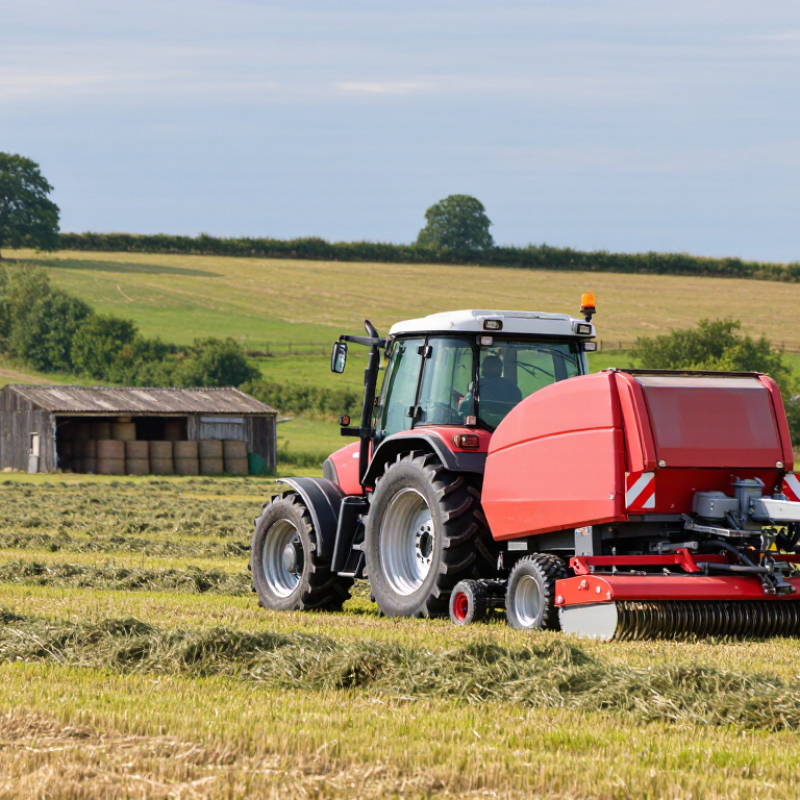
How to Choose the Best Hay Cutter Tractor in 2026?
Define Your Hay-Cutting Needs and Field Conditions
Start with the job, not the tractor’s horsepower figure. Estimate how many acres you need to cut and how quickly the weather gives you a workable window. Note the hay type, expected cutting height, and whether you plan to use a sickle-bar mower, disc mower, or another implement. Each setup has different power, PTO, and hydraulic requirements. Check the implement’s specifications against the tractor manual before choosing. A mismatch can mean slow work or equipment strain. That matters.
Walk the fields after rain and during a dry spell. Soft ground, slopes, narrow gates, ditches, and scattered trees all affect maneuverability and traction. A heavier tractor may pull confidently, but it can also leave deep ruts in damp soil. Tire choice and ballast matter, too. Measure tight turns and headlands instead of guessing from the field map. I would not treat acreage alone as a reliable guide; two fields of equal size can demand very different machines. I used to focus too much on horsepower. The terrain often tells a more useful story. Check your actual conditions, even if that means revising your first choice.
Start by matching the mower type and cutting width to your crop, terrain, expected workload, and tractor capacity. The guidance below is general: always verify the implement’s operating and PTO-horsepower requirements in its specifications.
| Hay-Cutting Need or Field Condition | Suitable Cutter Type | Why It May Fit | Checks Before Choosing |
|---|---|---|---|
| Small acreage, lower annual workload, and a preference for straightforward operation | Sickle-bar mower | Uses reciprocating knife sections and guards to cut the crop. It can be a practical option where operating speed and capacity are less important than a relatively simple cutting system. | Check knife and guard condition, cutter-bar alignment, plugging risk in lodged or tangled crop, and the tractor’s compatible hitch and PTO setup. |
| Regular hay production where higher field capacity is important | Disc mower | Rotating discs can cut at higher field speeds than many sickle-bar setups and are commonly used for routine forage mowing. | Confirm required PTO power, operating speed, cutting width, blade condition, and the availability and cost of replacement parts. |
| Need for a robust rotary cutter and a simple crop-discharge arrangement | Drum mower | Rotating drums carry cutting elements and can form a cut crop swath. Design and weight vary, so suitability depends on the tractor and field layout. | Check implement weight, lift capacity, PTO requirements, transport width, and whether the swath pattern suits the next haymaking operation. |
| Short drying windows or a need to speed field drying after mowing | Mower-conditioner | Combines cutting with crop conditioning. Rollers or flails bruise or crimp stems to help moisture escape; the result depends on crop, weather, and adjustment. | Expect a heavier implement and verify the tractor’s power, lift capacity, and hydraulic needs. Set conditioner clearance and pressure for the crop to avoid excessive leaf loss. |
| Uneven ground, field contours, or frequent turns around obstacles | Mounted or trailed mower with suitable flotation and cutter-bar movement | A mower that follows ground contours can help maintain a more consistent cutting height across rolling fields. | Review cutter-bar tilt and float range, headland maneuverability, ground clearance, and safe operation on slopes. Avoid mowing slopes beyond the tractor and implement’s rated limits. |
| Stony fields or areas where hidden obstacles may be present | Mower with appropriate breakaway or obstacle-protection features | Protection systems can reduce damage if the cutter encounters an obstruction, but they do not eliminate the risk of blade or machine damage. | Inspect and remove hazards where practical. Check the protection mechanism, guards, blades, and the manufacturer’s guidance for safe operation and maintenance. |
| Soft or wet soil where tractor traction and compaction are concerns | Lightest compatible mower that meets the workload; consider a trailed configuration where appropriate | Reducing machine weight and avoiding unnecessary passes can help limit soil damage. No mower can prevent compaction when soil is too wet to support equipment. | Consider soil bearing capacity, tire pressure, ballast, field access, and weather. Delay mowing if the field cannot safely support the tractor and implement. |
| Large, open fields with long runs and relatively few obstacles | Wider disc mower or mower-conditioner, matched to tractor capacity | A wider cutting width can cover more ground per pass and reduce the number of turns, provided the tractor can operate it effectively. | Compare implement width with available PTO power, lift capacity, transport regulations, storage space, and the field’s gates and headlands. |
| Irregular fields, narrow gateways, or many small paddocks | Narrower mounted mower with good maneuverability | A smaller working width is easier to position around boundaries and obstacles and may be more practical than maximizing theoretical field capacity. | Measure gateways and storage access. Check turning clearance, hitch compatibility, and whether the mower can be safely transported on local roads. |
The cutter manual lists required PTO horsepower and operating speed. Engine horsepower is not the same. Leave some power in reserve for damp forage, slopes, or dense crops.
Compare hydraulic flow, pressure, remote outlets, and couplers with the cutter’s requirements. Test the controls slowly in an open area. Watch for sluggish movement or overheating.
Sickle-bar cutters suit suitable, even stands. Rotary-disc cutters generally handle heavier crops and uneven ground more readily. Blade condition and operating speed still matter.
No. A 6-foot cutter may cover about 2.7 acres per hour at 5 mph and 75% efficiency. A 10-foot cutter may reach about 4.5 acres per hour under those assumptions. Turns and wet patches reduce output.
Measure gates, shed doors, turning areas, and transport routes. Narrow gates can make a smaller cutter the practical choice. I might still forget one corner.
Confirm hitch category, tractor weight, and tire setup. Consider uneven ground and slopes. Check cut height and stubble after a test pass.
Ask about common parts, repair timing during cutting season, setup, and technician availability. Request a demonstration with a comparable cutter if possible. Clear answers help.
Include fuel, maintenance, wear parts, insurance, and repair downtime. Review service intervals and warranty terms in writing. Estimates can be wrong; use realistic hours and keep a reserve for surprises.
Choosing the best Hay Cutter Tractor in 2026 starts with understanding the work it needs to handle. Consider the size and terrain of your fields, the type and density of the hay, and how often you plan to cut. Then match the tractor’s engine power, PTO output, and hydraulic capacity to the cutter’s requirements, allowing enough capacity for consistent performance without overloading the machine.
Compare cutter types and working widths based on field layout, desired cutting speed, and the finish you need. Look for practical safety features, sturdy construction, accessible service points, and maintenance needs that fit your routine. Finally, check compatibility with your existing equipment, the availability of local dealer support, and the full cost of ownership, including upkeep and operating expenses. A well-matched setup can help you work efficiently and reliably throughout the cutting season.
