
Changlaishun Changlaishun

Why Choose the Right Tractor Wheel for Your Farming Needs?

Time:2026-06-19 Author:Amelia
0%

The choice of the right Tractor Wheel is crucial for optimizing agricultural performance. A recent report by the Agricultural Equipment Manufacturers Association highlights that incorrect wheel selection can lead to a 20% decrease in efficiency and increased soil compaction. This is particularly alarming for farmers looking to maximize yield in today's competitive market.

Expert John Smith, a leading figure in agricultural mechanics, emphasizes, "The right Tractor Wheel can transform your farming output." His insights underline the importance of considering factors such as soil type, crop, and terrain when selecting wheels. Ignoring these variables could mean wasted resources and subpar results.

Farmers often overlook the significance of these details. Some assume that any Tractor Wheel will suffice for all conditions. However, this approach can diminish productivity and impact sustainability. Each farm is unique, and the right choice must be tailored to fit specific farming needs.
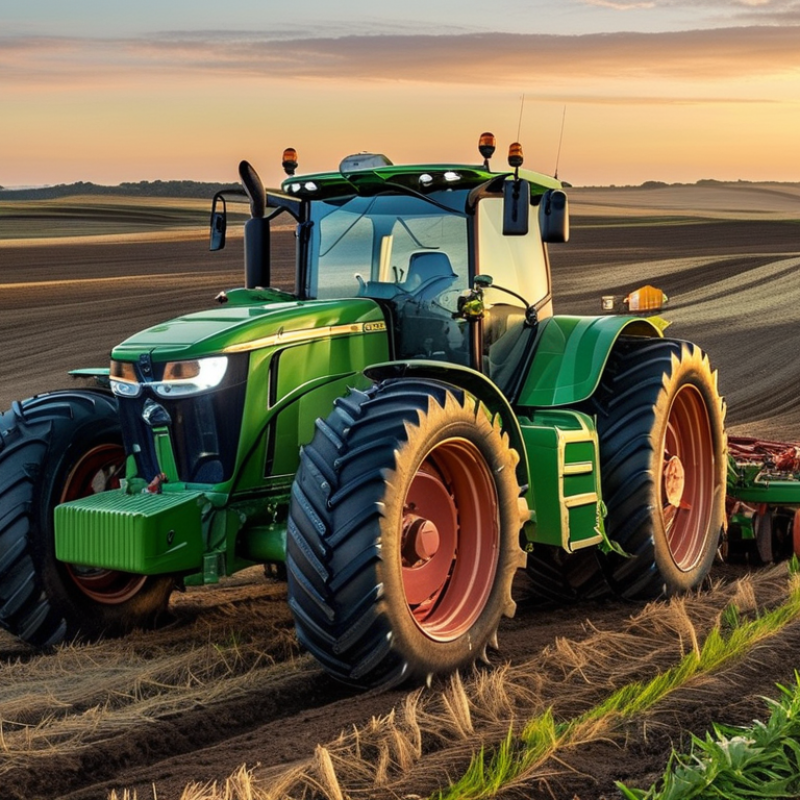
Why Choose the Right Tractor Wheel for Your Farming Needs?

Factors to Consider When Selecting Tractor Wheels

Choosing the right tractor wheel is crucial for optimizing your farming operations. The selection process can be complex, influenced by various factors.

One key factor is the wheel size. Larger wheels can improve traction and allow for better performance on uneven terrain. However, they can also increase soil compaction. Consider your specific field conditions before making a decision.

Tire tread pattern also plays a significant role. Different patterns are designed for varying soil types. For example, deep treads work well in loose soil, while slick tires are better for firmer ground.

Tip: Evaluate your most common field conditions. This insight will guide your research on the best tread options.

Next, consider the materials used in manufacturing the wheels. High-quality materials offer better durability but can come at a higher cost. Weigh the long-term benefits against your budget constraints.

Another aspect to reflect on is the wheel's load capacity. Ensure the wheels you choose can handle the weight of your tractor and any attachments. Underestimating this can lead to issues like reduced efficiency or premature wear.

Tip: Regularly inspect your wheels for signs of wear. This simple habit can save you money in the long run.

Considering all these factors ensures that your choice aligns with your farming objectives. Balancing performance, durability, and cost is essential for optimal results.

Choosing the Right Tractor Wheel: Key Factors

Types of Tractor Wheels and Their Specific Uses

When selecting tractor wheels, it's essential to understand their types and specific uses. Agricultural tasks vary widely. Choosing the right wheel can enhance efficiency and productivity.

Turf tires are popular for mowing and light-duty tasks. They are designed with a broad footprint. This design reduces soil compaction. Ideal for maintaining lawns and gardens, they provide excellent grip without damaging delicate surfaces. However, they may struggle with heavy loads.

Agricultural tires feature deep treads for strong traction. These are perfect for heavy-duty applications, such as plowing and hauling. They handle rough terrains and provide stability under weight. But, they can wear down on paved surfaces. Understanding these trade-offs is crucial for maximizing utility.

Tracks are another option. They distribute weight evenly and offer superior grip. This makes them suitable for wet or muddy conditions. However, the maintenance can be higher. Regular inspections are necessary to prevent wear and tear. Each wheel type has specific advantages and challenges. Reflecting on these can lead to improved choices for your farming needs.

Impact of Wheel Size on Farming Efficiency and Performance

Selecting the appropriate tractor wheel significantly impacts farming efficiency. The size of the wheel plays a crucial role in traction and stability. A study by the American Society of Agricultural and Biological Engineers highlights that larger wheels can improve flotation in soft soils. This can lead to reduced ground pressure and minimize soil compaction, promoting healthier crop growth.

Additionally, the wheel size can affect fuel efficiency. Research shows that tractors with larger wheels can operate at lower RPMs while maintaining speed. This means less fuel consumption and lower operating costs. However, farmers must consider the trade-offs. Larger wheels may not maneuver well in tight spaces and may be challenging on steep slopes.

Proper wheel size is essential for optimal performance. Farmers often overlook how wheel selection influences operations. It’s vital to analyze the specific farming conditions. A wheel that works well in one field might not be suitable for another. Therefore, understanding one’s farming environment is crucial for making informed decisions.

Why Choose the Right Tractor Wheel for Your Farming Needs?

Wheel Size (inches) Recommended Crop Type Soil Type Farming Efficiency (%) Comfort Level
14 Vegetables Sandy 80 High
16 Cereals Loamy 85 Medium
18 Root Crops Clay 75 Low
20 Fruits Rocky 70 Medium
22 Grain Clay Loam 82 High

Material Choices for Tractor Wheels and Their Durability

Choosing the right tractor wheel can significantly impact farming efficiency. One of the key factors is the material used in the wheel. Common materials include steel, aluminum, and plastic composites. Each has unique strengths and weaknesses.

Steel wheels offer durability and strength. They can withstand rough terrain and heavy loads. However, they tend to be heavier and may rust over time.

Aluminum wheels are lighter and resistant to corrosion. This can enhance fuel efficiency, but they may not hold up as well under extreme conditions.

Plastic composites are lightweight and flexible, making them suitable for varied farming needs. Yet, they can lack the strength of metal options.

It’s essential to assess your specific farming conditions when selecting wheels. The wrong choice can lead to issues. A wheel that is too soft may wear out quickly, while one that is too heavy could strain your tractor. Understanding the balance between weight, durability, and cost is crucial. Each material has trade-offs, so take the time to weigh these factors carefully. Your choice can ultimately affect your farming productivity and equipment longevity.

Cost Considerations and Budgeting for Tractor Wheel Selection

Choosing the right tractor wheel is essential for agricultural efficiency. However, cost considerations often complicate this decision. An industry report by the American Society of Agricultural and Biological Engineers suggests that poor wheel selection can lead to a 15% loss in productivity. This figure highlights the need for careful budgeting and analysis.

When budgeting for tractor wheels, farmers should note that prices can vary widely. A basic set may start around $1,000, while specialized options can exceed $5,000. Factors influencing costs include durability, size, and terrain type. For instance, wider wheels might offer better stability on soft ground but come at a higher price. This necessitates an assessment of whether the increased cost will yield greater benefits in productivity.

Moreover, it’s crucial to assess the long-term implications of wheel selection. Higher initial spending may result in lower repair costs over time. Conversely, attempting to save money with cheaper wheels could result in damage and subsequent losses. It’s a fine balance, and each choice carries its own risks and rewards. Evaluating these factors is an ongoing process that requires adjustments and reflections as farming needs evolve.

FAQS

: What are turf tires best used for?

: Turf tires are ideal for mowing and light-duty tasks. They minimize soil compaction and protect delicate surfaces.

What is a significant drawback of turf tires?

Turf tires may struggle when carrying heavy loads. They are not designed for heavy-duty applications.

What makes agricultural tires suitable for plowing?

Agricultural tires have deep treads for strong traction. They provide stability on rough terrain and handle heavy loads.

What is a downside of agricultural tires?

These tires can wear out quickly on paved surfaces. This can affect their longevity and performance.

Why choose tracks for certain conditions?

Tracks offer superior grip and distribute weight evenly. They excel in wet or muddy conditions but need regular maintenance.

What are the advantages of steel wheels?

Steel wheels are strong and durable. They withstand rough terrains but are heavier and prone to rust.

How do aluminum wheels differ from steel wheels?

Aluminum wheels are lighter and resistant to corrosion. However, they may not withstand extreme conditions as well as steel.

Why consider plastic composites for wheels?

Plastic composites are lightweight and flexible. However, they may lack the strength of metal options like steel or aluminum.

How can poor wheel selection impact farming?

Poor wheel selection can lead to a 15% loss in productivity. It highlights the need for careful analysis and budgeting.

What should be kept in mind when budgeting for tractor wheels?

Prices vary significantly, ranging from $1,000 to over $5,000. Assessing durability and long-term costs is essential for making a wise choice.

Conclusion

Choosing the right tractor wheel is essential for optimizing farming efficiency and performance. When selecting tractor wheels, several factors should be considered, including the type of terrain and specific farming needs. There are various types of tractor wheels, each designed for particular applications, which significantly affect operational outcomes.

The size of the tractor wheel also plays a crucial role in determining the effectiveness of machinery on different soil types and conditions. Additionally, the material used for tractor wheels impacts their durability and maintenance requirements, contributing to long-term performance. Finally, budgetary considerations are vital, as farmers must weigh the costs against the benefits of the chosen tractor wheel. Thoughtful selection can lead to improved productivity and operational success in agricultural endeavors.

Amelia

Amelia

Amelia is a seasoned marketing professional with a wealth of expertise in our company’s core offerings. With an unwavering passion for driving growth and innovation, she plays a pivotal role in shaping our marketing strategies and enhancing brand visibility. A key aspect of her responsibilities......