
Changlaishun Changlaishun

Why Choose a Walking Tractor for Your Farming Needs?

Time:2026-09-01 Author:Mason
0%

In the world of agriculture, efficiency and adaptability are crucial. Farmers face numerous challenges, from changing weather patterns to labor shortages. The "Walking Tractor" has emerged as a reliable solution to many of these issues. Expert John Smith, a renowned agricultural engineer, states, "Walking Tractors bring versatility to small and medium-sized farms, allowing for more efficient work." This powerful equipment is designed to maneuver easily through tight spaces and varied terrains.

Walking Tractors not only save time but also reduce strain on the farmer. They are particularly beneficial for operations that require precision, like planting and tilling. However, adopting this technology brings its own set of challenges. Farmers must understand the best practices for maintaining and operating these machines. This complexity can cause frustration, yet it also opens the door for learning and improvement.

Overall, the advantages of a Walking Tractor can greatly enhance productivity. As farmers navigate the evolving landscape of agriculture, embracing such innovations is essential. Balancing efficiency with practicality can lead to better crop yields and sustainable farming practices.
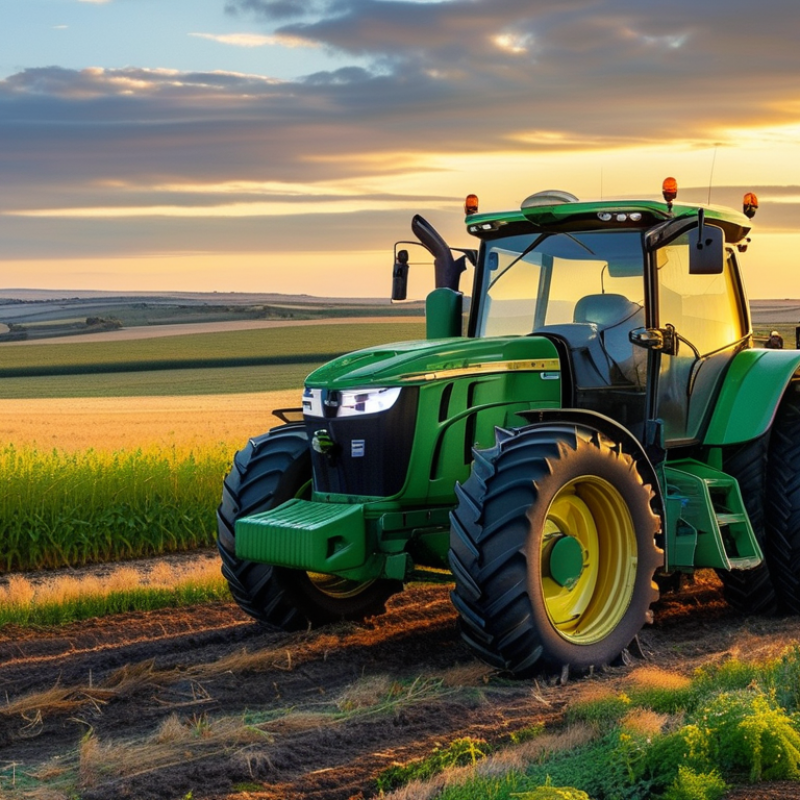
Why Choose a Walking Tractor for Your Farming Needs?

Understanding the Basics of Walking Tractors in Agriculture

Walking tractors play a significant role in modern agriculture. They offer versatility and efficiency for small-scale farmers. According to a report by the Food and Agriculture Organization (FAO), nearly 40% of the world's food is produced on small farms. Walking tractors can enhance productivity in these settings.

These tractors usually weigh between 300 to 900 pounds. Their compact size allows for maneuverability in tight spaces, unlike larger machinery. Farmers can use them for various tasks, from plowing to tilling and even planting. The adaptability benefits diverse crops grown in small plots. Notably, they consume less fuel compared to larger tractors, leading to reduced operating costs.

For optimal use, consider your farm's specific needs. Understand the soil type and crop requirements before choosing attachments. Regular maintenance is crucial to ensure performance and longevity. Operator training also impacts efficiency; proper techniques can drastically improve output. Take time to reflect on your current farming methods and identify areas for improvement. Embracing walking tractors might require initial adjustments, but the long-term benefits can be substantial.

Key Benefits of Using a Walking Tractor for Small Farms

A walking tractor is an excellent choice for small farms. It offers various benefits that can enhance productivity and efficiency. These machines are versatile and can tackle the challenges of diverse terrains. Farmers often find them easier to maneuver than larger tractors. This makes them ideal for confined spaces and small fields.

One key benefit is their ability to reduce soil compaction. Traditional tractors can be heavy, leading to compacted soil. Walking tractors, being lighter, ensure that the soil remains aerated and healthy. This promotes better crop yields over time. Additionally, walking tractors can operate in wet conditions. This means farmers can continue to work their fields even after rain.

When using a walking tractor, farmers should keep a few tips in mind. Regular maintenance checks are essential. Inspect the engine and belts often to avoid breakdowns during critical planting seasons. Operators should also pay attention to their posture while using the machine. Proper ergonomics can prevent fatigue during long hours of work. Finally, farmers should experiment with different attachments to maximize the tractor's potential. Different tools can enhance its functionality and adapt to various farming tasks.

Key Benefits of Using a Walking Tractor for Small Farms

Comparing Walking Tractors to Traditional Tractors and Equipment

Walking tractors offer unique advantages over traditional tractors. They are compact, making them ideal for small farms. Their size allows for easy navigation in tight spaces. This feature is particularly useful for orchards and vineyards where maneuverability is key. Walking tractors can be operated on sloped or uneven terrain with relative ease.

These machines are often more affordable than larger tractors. Maintenance costs tend to be lower too. Farmers can invest in additional tools and attachments, enhancing versatility. However, walking tractors might not perform as well in heavy-duty tasks. For large-scale operations, traditional tractors may still be necessary.

While the efficiency of walking tractors is impressive, the learning curve can be steep. Farmers who transition from traditional equipment may face challenges. Understanding the operation and capabilities requires practice. Moreover, the limited power might be a drawback for some users. Balancing these factors is essential when considering farming equipment options.

Factors to Consider When Choosing a Walking Tractor for Your Farm

When selecting a walking tractor for your farming needs, several factors demand attention. The engine power is crucial. Typically, walking tractors range from 3 to 12 horsepower. Research indicates that tractors with higher horsepower can efficiently handle tougher terrains and larger tasks (Agricultural Machinery Report, 2022). Farmers must assess their plowing and towing needs to choose appropriately.

Maneuverability is another key aspect. Walking tractors are designed for tight spaces. Compact models can navigate narrow rows easily, which is essential for vegetable farming. According to the USDA, efficient space management can increase crop yield by up to 15%. This makes a walking tractor beneficial for small to medium-sized farms.

Operators should also consider fuel efficiency. Walking tractors typically consume less fuel than their larger counterparts, providing cost savings. Some models offer innovative fuel technologies, improving efficiency by 25%. Keep in mind that the terrain, as well as the types of crops grown, can impact your tractor’s fuel consumption. It’s wise to evaluate these factors based on your specific farming practices and goals.

Evaluate the ease of maintenance, too. Regular upkeep can prolong equipment life and ensure optimal performance. Lack of proper maintenance may lead to increased repair costs. Prioritize models that require minimal servicing.

Maintenance Tips for Enhancing the Longevity of Your Walking Tractor

Walking tractors are versatile machines that can significantly enhance productivity in farming. However, to ensure their longevity, proper maintenance is essential. Regular oil changes are a must. According to industry reports, machines that undergo timely oil changes can last up to 20% longer than those that don’t. It’s vital to follow the manufacturer’s guidelines for oil selection and change intervals. Ignoring this can result in engine wear, leading to costly repairs.

Addressing wear and tear is another critical aspect. Check the belts and hoses for any signs of damage. Cracked belts can lead to poor performance. Replacing them can prevent larger issues down the line. A study from agricultural engineering journals emphasizes that small, preventive measures are often overlooked but can extend the life of equipment significantly. Keeping the walking tractor clean from mud and debris is essential. A dirty machine has a higher risk of rust and mechanical failures. It’s a simple yet effective practice.

While maintenance requires time and effort, neglecting it can lead to bigger problems. Understand that not every maintenance task will be perfect. Some parts may need more frequent checks than initially expected. A proactive approach to maintenance allows farmers to adapt and make better decisions for their operations. Incorporating these practices will not only keep walking tractors running but may also enhance overall productivity on the farm.

FAQS

: What is a walking tractor?

: A walking tractor is a versatile machine for small-scale farming. It assists with various agricultural tasks.

How much do walking tractors typically weigh?

Walking tractors usually weigh between 300 to 900 pounds. This compact size aids in maneuverability.

Why are walking tractors beneficial for small farms?

They enhance productivity and can operate in tight spaces, unlike larger tractors. They reduce soil compaction too.

What maintenance is essential for walking tractors?

Regular oil changes and inspection of belts are crucial. This can prevent costly repairs over time.

Can walking tractors be used in wet conditions?

Yes, walking tractors can operate in wet conditions. This allows farmers to work even after rain.

How does operator training impact the use of walking tractors?

Proper techniques can drastically improve efficiency and output. Training needs time and practice to perfect.

What should farmers consider before choosing attachments for walking tractors?

Understand soil type and crop requirements first. Experimenting with different tools can enhance functionality.

How can a farmer keep a walking tractor clean?

Regularly remove mud and debris. A clean machine reduces the risk of rust and mechanical failures.

What should I do if I notice wear and tear on parts?

Check belts and hoses regularly. Replace damaged parts to avoid larger issues in the future.

Is maintenance often overlooked by farmers?

Yes, many small, preventive measures are ignored. Yet, they are vital for extending the life of equipment.

Conclusion

Walking tractors have become an essential tool in agriculture, especially for small-scale farming operations. They offer a compact and versatile solution for various tasks, making them ideal for narrow fields and tight spaces where traditional tractors may struggle. Understanding the basics of walking tractors is crucial, as they provide several key benefits including improved maneuverability, reduced soil compaction, and lower operational costs.

When comparing walking tractors to traditional tractors, one can appreciate their ease of use and efficiency in small farming environments. However, it's important to consider factors such as engine power, attachment compatibility, and overall durability when choosing the right walking tractor. Proper maintenance is also vital for enhancing the longevity of these machines, ensuring they continue to support farming needs effectively for years to come.

Mason

Mason

Mason is a seasoned marketing professional with a deep expertise in the company's offerings and a passion for driving brand awareness. With a strong background in digital marketing strategies, he has an innate ability to connect with diverse audiences and effectively communicate product benefits.......