
Changlaishun
Selecting the right crawler tractor can be a daunting task. Expert in heavy machinery, John Milton, once stated, "Choosing a crawler tractor requires a deep understanding of your specific needs." His insights underscore the importance of aligning machinery with operational requirements.
When considering a crawler tractor, start by assessing the terrain. Factors like soil type, slope, and accessibility play crucial roles. A machine that excels in one environment may struggle in another. Think about the tasks you need to accomplish. Will you be digging, grading, or transporting heavy materials? Each application demands different features and specifications from a crawler tractor.
Remember, not all crawler tractors are created equal. It’s essential to evaluate brands and models that suit your project's demands. Take the time to compare fuel efficiency, maintenance needs, and operator comfort. This will help ensure you make an informed choice, reducing the risk of investing in the wrong equipment.
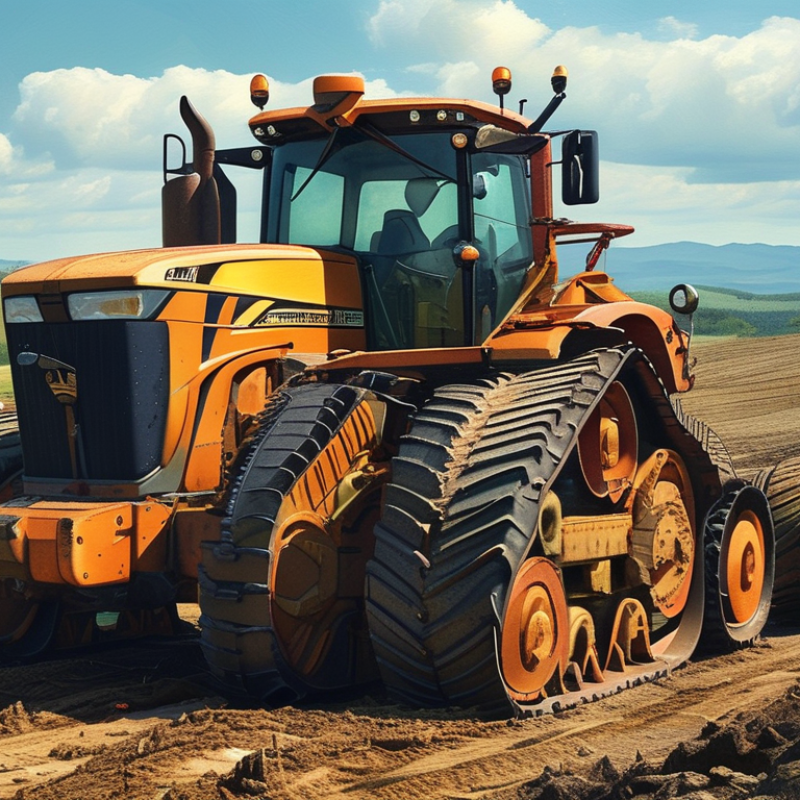
Understanding crawler tractors involves recognizing their versatility and specific applications. These machines are designed to operate in rugged terrains where wheeled vehicles struggle. Their tracks provide better weight distribution and traction. This makes them ideal for construction sites, agricultural tasks, and logging operations. Certain models can handle steep inclines, which enhances their usability in forestry and mining.
Different attachments can transform crawler tractors for a range of jobs. For instance, a bulldozer blade can push earth efficiently, while a backhoe attachment adds digging capability. When choosing a crawler tractor, it is important to consider your specific needs. Think about the kind of tasks you will perform. Also, the size and weight of the tractor can impact its performance and mobility. Selecting the right model is complex and requires thorough research. It can be difficult to balance power and versatility.
Additionally, understanding maintenance requirements is essential for long-term use. Crawler tractors entail regular checks for tracks and engines. Neglecting maintenance can lead to costly repairs. Reflecting on your actual use cases is key. Not every crawler tractor suits every situation. Balancing functionality with the cost is often a practical dilemma users face.
| Model | Engine Power (HP) | Operating Weight (lbs) | Max Blade Width (inches) | Primary Use Cases |
|---|---|---|---|---|
| Compact Crawler | 50 | 10,000 | 72 | Landscaping, Small Site Prep |
| Standard Crawler | 75 | 18,000 | 84 | Construction, Site Development |
| Heavy-Duty Crawler | 120 | 30,000 | 96 | Mining, Large Excavation |
| Specialty Crawler | 90 | 25,000 | 78 | Agriculture, Forestry |
When selecting a crawler tractor, several key factors should be carefully evaluated. One major consideration is the engine power. Reports indicate that tractors with 100 to 200 horsepower are ideal for most heavy-duty tasks. This horsepower range provides versatility without compromising fuel efficiency. Make sure to match the engine power to your specific requirements. Heavy excavation projects may require more power, while smaller tasks can be managed with less.
Another essential aspect is the operating weight of the tractor. The optimal weight impacts traction and stability. According to industry studies, a weight of 15,000 to 25,000 pounds is generally recommended for construction sites. However, exceeding this weight limits mobility and can lead to challenges on uneven terrain. It's important to assess the weight relative to the working environment.
Finally, while features like hydraulic systems and track options are crucial, they require scrutiny. The effectiveness of a tractor’s hydraulic system can significantly influence performance. Track type also matters, as rubber tracks can reduce site damage compared to steel. Not all options work for every situation. It’s vital to reflect on the specific needs. Seek input from professionals or stakeholders who have practical experience with different models. Their insights can help identify potential pitfalls and avoid costly missteps.
Choosing the right crawler tractor involves understanding engine power and performance specifications. Engine power is measured in horsepower (HP) and affects the machine's capability. A report from the American Society of Agricultural and Biological Engineers indicates that an optimal horsepower range for most small to medium tasks lies between 70 to 120 HP. This range provides sufficient power to handle various terrains and loads effectively.
Performance specifications include torque ratings and engine efficiency. Higher torque enables better pulling capacity, essential for heavy-duty tasks. A study revealed that tractors with torque-to-weight ratios above 30 lb-ft/hp perform significantly better in rugged conditions. Engine efficiency is also crucial; modern engines can achieve up to 40% thermal efficiency, minimizing fuel consumption and maximizing output.
It's vital to balance power with intended use. While more horsepower may seem attractive, it can lead to increased operational costs and fuel inefficiency for smaller projects. Evaluating options against specific needs is key. Operators should reflect on their workload and environment before making a decision. Making an informed choice can lead to better productivity and lower long-term costs.
When selecting a crawler tractor, understanding track width and ground pressure is crucial. Track width determines stability on varying terrains. A wider track spreads the weight, minimizing ground pressure. This can be especially beneficial on soft or marshy ground. However, a wider track may limit maneuverability in tight spaces. Consider the working environment carefully.
Ground pressure affects how much weight each track exerts on the soil. Low ground pressure prevents soil compaction, which is vital for agricultural applications. On the other hand, higher pressure may be necessary for certain construction tasks. Balancing these factors is key. Think about the type of soil and the loads you plan to carry.
Think about your specific needs. A crawler tractor with wide tracks might excel in soft conditions but struggle in rocky ones. Analyze past experiences or consult with experts. They can provide insights about performance on similar terrains. This reflection will lead to better decision-making. Choose a crawler tractor that aligns with both your tasks and the condition of your land.
When budgeting for the purchase of a crawler tractor, consider both the initial cost and the future maintenance expenses. Crawler tractors are not just heavy machinery; they are long-term investments. Costs can vary significantly based on model and features. It's vital to evaluate your specific needs to avoid unnecessary spending on advanced features you may not use.
Maintenance can be a substantial part of ownership. Regular servicing is essential for longevity and performance. Many owners underestimate these costs. It’s not just about oil changes; tracks, rollers, and other components may need regular replacements. Set aside a budget for routine maintenance to prevent unexpected costs later.
When purchasing, factor in additional costs. Insurance, storage, and fuel are often overlooked. Research local insurance rates and fuel prices in your area. If your tractor operates in tough conditions, repairs will increase. Investing in quality parts may lead to savings in the long run. Avoid the trap of aiming for the lowest upfront cost; this could lead to higher maintenance needs down the line.
: Crawler tractors excel in rugged terrains where wheeled vehicles struggle. Their tracks enhance traction and weight distribution.
Think about your specific tasks, size, and weight requirements. Research thoroughly before deciding.
Regular maintenance is crucial for long-term use. Neglecting it can lead to expensive repairs.
Tractors with 100 to 200 horsepower are generally ideal for heavy-duty applications. Match power to your needs.
The right weight impacts traction and stability. Weighing 15,000 to 25,000 pounds is recommended for construction.
Wider tracks reduce ground pressure, enhancing stability on soft surfaces. However, they may decrease maneuverability.
Ground pressure is the weight each track exerts on soil. Low pressure prevents soil compaction, especially for agriculture.
Not every tractor fits every situation. Analyze the terrain and consult experts to avoid missteps.
A tractor's hydraulic system can significantly impact its overall performance and work efficiency.
Yes, feedback from experienced users can uncover potential challenges and help inform your choice.
When selecting the best crawler tractor for your needs, it’s essential to first understand their applications across various industries. Crawler tractors are versatile machines used for tasks such as excavation, grading, and land clearing. Key factors to consider include the engine power and performance specifications, which directly impact efficiency and productivity.
Additionally, assessing track width and ground pressure is crucial to ensure optimal performance on your specific terrain, whether it be soft soil, rocky landscapes, or uneven surfaces. Finally, it's important to budget not only for the initial purchase cost of the crawler tractor but also for ongoing maintenance expenses to keep the machine in optimal working condition. By carefully evaluating these factors, you can make an informed decision that meets your operational requirements.
