 Changlaishun
Choosing among China’s top tractor-tiller suppliers takes more than comparing prices. The right Tiller For Tractor must match your soil, tractor power, working width, and local service needs. A heavy rotary tiller can look impressive in a showroom. In wet clay, that same machine may demand more power and leave clods behind.
The OECD-FAO Agricultural Outlook 2024–2033 projects global agricultural and fish production to grow by 1.1% annually over the decade, with productivity gains playing an important role. FAO’s 2022 State of Food and Agriculture also examines how automation can improve efficiency, while stressing that access and suitability matter. These reports offer useful context, not a verdict on any supplier. Soil scientist Rattan Lal has said, “Soil is the basis of all terrestrial life.” That reminder matters when judging tine design, rotor speed, and working depth—not just paint and advertised horsepower.
A careful supplier check should cover steel grade, gearbox specifications, spare-part availability, warranty terms, and independent operating references. Ask for the machine’s working width and minimum tractor power in writing. Then check whether local technicians can source bearings, blades, and seals. Small details. Costly delays. No supplier is best for every farm, and a polished brochure cannot prove field performance. This guide outlines practical checks for comparing Chinese suppliers, asking sharper questions, and choosing equipment suited to real conditions. One point deserves reflection: the lowest quote can still become the most expensive choice.
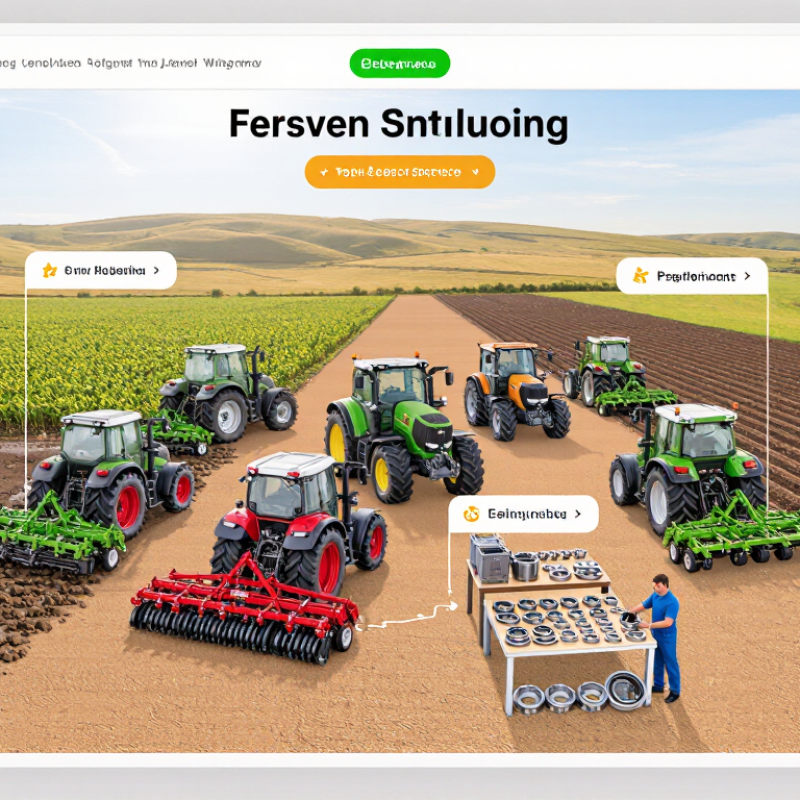
China’s tractor-tiller supplier landscape includes equipment factories, export-focused manufacturers, and trading companies. Their catalogs may look similar, but production depth can differ. Some suppliers machine key parts in-house; others rely on outside workshops. Ask who makes the gearbox, tilling blades, and engine mount. Those details reveal more than a polished brochure.
Look beyond the quoted price. Request clear specifications for working width, tilling depth, power, and fuel use. Check whether the supplier can provide spare-part drawings and packaging details. A sample unit can help, but inspect welds, fasteners, and controls under real working conditions. Small things matter. A loose guard or hard-to-reach oil plug can slow daily work.
Communication deserves equal attention. Send the same technical questions to several suppliers and compare how precisely they answer. Ask for recent production photos or a live factory walk-through, then confirm that the equipment shown matches your order. Export experience may help with documentation and shipping, but it does not guarantee consistent quality. I have seen buyers focus too much on the lowest offer; that is an easy mistake to make. A practical supplier assessment takes time, and no single test removes every risk.
Supplier profiles below describe common business models, not a ranking or a claim about every supplier. Manufacturer, OEM/ODM, and export-oriented roles may overlap. Verify each product and supplier directly before purchasing.
| Supplier Profile or Evaluation Dimension | Typical Scope | Potential Advantages | What to Verify | Best Fit |
|---|---|---|---|---|
| Agricultural Machinery Manufacturer | May produce tractor-mounted implements such as rotary tillers, alongside other farm machinery. | Direct access to product specifications, production details, and technical support may be available. | Confirm which operations are performed in-house, request current product drawings, and check whether the offered model matches the quotation. | Buyers seeking direct technical communication or repeat orders for a defined product. |
| Specialized Implement Producer | Focuses on tractor implements or soil-working equipment; product ranges can vary by supplier. | A focused product range may make it easier to discuss implement configuration and application requirements. | Check compatibility with the tractor’s hitch, PTO, power range, and intended soil conditions; request operating instructions and maintenance information. | Buyers who have a clear tilling application and need to compare implement specifications. |
| OEM/ODM-Oriented Producer | May manufacture products to a buyer’s specifications, including agreed labels, colors, packaging, or design changes. | Can support customized product or packaging requirements when the supplier has the required capability. | Document drawings, tolerances, materials, approved samples, branding permissions, minimum order quantities, and responsibility for tooling or design changes. | Importers or distributors with defined specifications and sufficient planning for sampling and production. |
| Export-Oriented Supplier or Trading Company | May coordinate product sourcing, export paperwork, communication, and shipment arrangements; some also manufacture products. | A single contact may help coordinate orders and export logistics across products or suppliers. | Identify the actual manufacturer, clarify who handles quality inspection and warranty claims, and confirm the legal seller and payment beneficiary. | Buyers who value export coordination or are sourcing multiple product types. |
| Tractor Compatibility | Rotary tillers are commonly tractor-mounted implements driven through a power take-off (PTO); hitch and PTO configurations must match the tractor. | Checking compatibility before ordering can help prevent an implement that cannot be mounted or operated as intended. | Confirm hitch category and dimensions, PTO speed and shaft connection, tractor power requirements, and any required guards or accessories. | Every buyer; do not select by working width alone. |
| Working Specifications | Relevant specifications commonly include working width, working depth, rotor and blade configuration, weight, and recommended tractor power. | Comparable specifications help buyers assess whether a model suits their field size, soil, and tractor. | Request a model-specific specification sheet and clarify how working depth and recommended power are stated and tested. | Buyers comparing models for a particular field and operating condition. |
| Quality and Documentation | Product quality depends on materials, fabrication, assembly, and inspection; documentation varies by model and destination market. | Written inspection criteria and traceable specifications make acceptance checks more consistent. | Agree on inspection points, sample approval, spare-parts list, user manual, warranty terms, and destination-market documentation before production. | Buyers managing import compliance, quality control, or after-sales service. |
| Shipping and After-Sales Support | Shipment terms, packaging, spare-parts availability, and warranty processes are set by the parties and can differ between orders. | Clear arrangements can reduce uncertainty around delivery, transit damage, and service after arrival. | Confirm Incoterms, packing method, shipment dimensions and weight, lead time, claims procedure, and availability of wear parts such as blades. | Buyers planning landed cost, inventory, and long-term product support. |
Ask how long they have made tillers and which models suit your tractor’s horsepower and field size. Ask for specific examples.
Check working width, tilling depth, rotor speed, hitch category, and required power. Match them to your tractor and soil. Details matter.
Request a factory walkthrough, production photos, or an inspection report. Examine welds, gearbox seals, tine mounts, and frame finish. Photos are not proof.
No. Check the certificate’s scope, issuing body, and validity. It may show documented processes, but not the quality of every unit.
Compare the same configuration and request a written cost breakdown. Confirm shipping, spare blades, setup guidance, and warranty coverage. A low quote may omit useful parts.
If possible, run a sample in similar soil. Check vibration, turning response, and fuel use. A clean display model can still hide weaknesses.
Confirm technical response times, warranty claim requirements, and parts shipping arrangements. Request manuals your staff can use. Keep written records.
Check registered business details, factory address, and model-specific documents. Contact buyer references about parts delivery and claims. Verify payment details through a known company contact.
Consider one when the order value justifies the time and cost. A video can hide flaws. Even a capable factory may communicate slowly.
Choosing among China’s tractor tiller suppliers starts with understanding the market and matching equipment to your soil, tractor power, working width, and intended use. A suitable Tiller For Tractor should fit your operating conditions and be practical to maintain, rather than being selected on price or advertised capacity alone.
Compare suppliers by their manufacturing experience, quality-control processes, and relevant product certifications. Assess materials, construction, pricing, warranty terms, spare-parts availability, and after-sales support together. Before making a decision, verify the supplier’s information, request clear product specifications, and discuss delivery and service expectations. Careful comparison helps you identify a dependable partner and choose equipment that meets your needs over the long term.
