
Changlaishun Changlaishun

Top 10 Vintage Tractors for Sale Worldwide

Time:2026-09-11 Author:Henry
0%

Vintage Tractors remain more than nostalgic machines. They are working artifacts, restoration projects, and practical investments for collectors worldwide. Their value often depends on condition, provenance, rarity, and mechanical originality. A faded paint layer may reveal decades of field use. A clean serial plate can change a tractor’s history and price.

Reliable market data requires caution. FAOSTAT tracks agricultural machinery indicators, but it does not isolate vintage tractors as a separate category. The OECD-FAO Agricultural Outlook 2024–2033 links mechanization with farm productivity and changing equipment demand. Meanwhile, Association of Equipment Manufacturers reports provide current tractor-sales data, offering useful context for comparing modern and older machines. Auction evidence from Ritchie Bros. and specialist heritage sales can add real-world pricing signals, although regional demand varies sharply. North American buyers may prioritize working hydraulics, while European collectors may focus on originality and documented restoration. Transport costs matter too.

No ranking is perfect. Some valuable tractors never appear in public databases. Private sales remain difficult to verify. That limitation deserves attention. This guide evaluates ten Vintage Tractors using practical criteria, including historical importance, parts availability, repairability, auction visibility, and collector demand. It also considers working details that photographs cannot prove: cold-start performance, transmission noise, tire cracking, oil pressure, and hitch response. Readers should confirm serial numbers, service records, inspection results, and import requirements before purchasing. A beautiful tractor can still hide expensive faults. Careful research protects both the investment and the machine’s story.
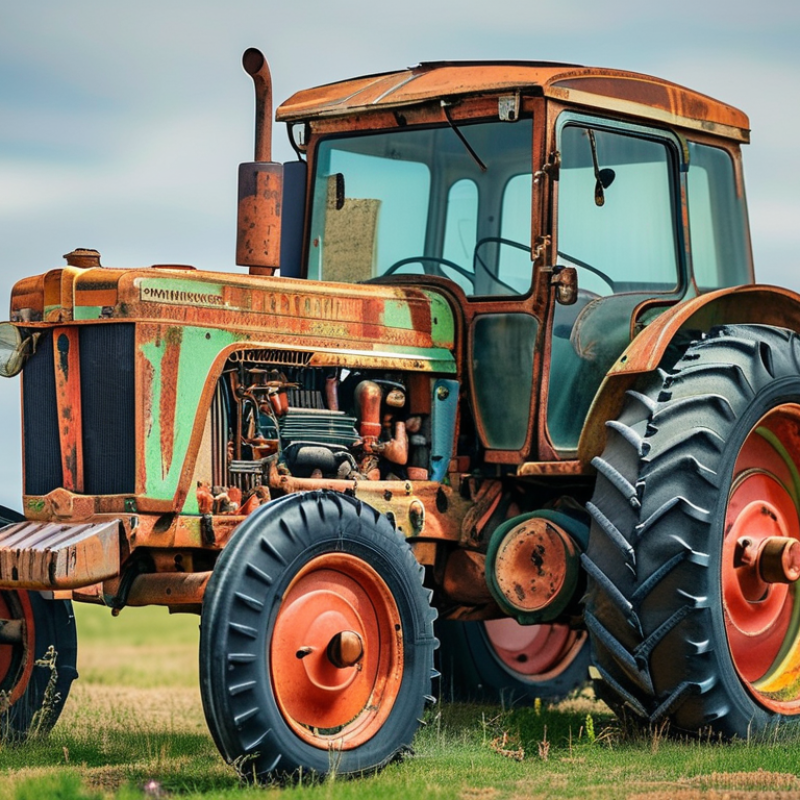
Top 10 Vintage Tractors for Sale Worldwide

Vintage Tractors: Definition, History, and Collector Appeal

A vintage tractor is an older agricultural machine valued for its history, mechanical character, and original design. There is no universal age cutoff. Many collectors consider tractors from the early twentieth century through the 1970s especially significant. These machines replaced much slower animal labor and reshaped planting, harvesting, and rural transport. Their exposed linkages, heavy castings, and simple controls make their working past easy to imagine.

Collector appeal extends beyond appearance. Each tractor can preserve evidence of changing farm practices, regional manufacturing, and engineering development. A well-documented example usually attracts more confidence than a freshly painted machine with an uncertain history. Original manuals, registration records, factory plates, and photographs can support its story. However, restoration is rarely perfect. New paint may hide repairs, and replacement parts can reduce historical accuracy. That imperfection deserves honest attention.

For buyers exploring the top ten vintage tractors for sale worldwide, condition should guide excitement. Inspect the engine block, transmission, steering, brakes, tires, and hydraulic system. Check for cracks, unusual welding, fluid leaks, and missing components. Ask whether the engine starts cold, not after warming. A cold start reveals more. Transport costs, storage needs, and local parts availability also affect the real price. The most appealing tractor may not be the oldest one. It may be the machine with reliable records, sound structure, and a restoration story that remains believable.

Key Features to Evaluate Before Buying a Vintage Tractor

Top 10 Vintage Tractors for Sale Worldwide

Key Features to Evaluate Before Buying a Vintage Tractor

A vintage tractor can look magnificent in photographs and disappoint badly in a field. I learned this after buying an older machine with fresh paint and hidden corrosion. Inspect it cold, not after the seller warms the engine. Cold starting reveals weak compression, hard ignition, and excessive smoke. Listen for knocking sounds. Small leaks matter too, especially around the engine, gearbox, and hydraulic pump.

Check the transmission through every gear during a practical drive. The clutch should engage without violent shuddering. Test the brakes separately, then together, on level ground. Examine the hydraulic lift with a heavy implement attached. It should raise steadily and hold its position. Inspect the PTO shaft, steering joints, axle housings, and final drives for play. Worn tires can also hide expensive repair costs.

A straight frame is essential. Look beneath layers of paint for cracks, poor welding, or uneven repairs. Confirm that the serial plate matches the available records, manuals, and service history. Parts availability may differ greatly between countries. Ask about shipping, storage, and access to qualified mechanics before making an offer. A compression test and fluid analysis provide useful evidence, though neither test is perfect. I still worry when an inspection feels rushed. Leave room in the budget for seals, hoses, wiring, and unexpected repairs. Fresh paint is not proof of careful maintenance.

Top 10 Vintage Tractors for Sale Worldwide - Key Features to Evaluate Before Buying a Vintage Tractor

Typical rated engine horsepower is shown for ten vintage tractor categories commonly found in international collector, restoration, and agricultural markets. Before buying, also evaluate engine condition, transmission operation, hydraulic performance, parts availability, documentation, tire condition, and evidence of restoration.

Horsepower figures are representative ranges based on historical specifications for comparable tractor types and eras; they are not brand-specific market listings.

Top 10 Vintage Tractors Available for Sale Worldwide

Top 10 Vintage Tractors Available for Sale Worldwide

Vintage tractor buyers can now find machines through specialist auctions, farm-equipment marketplaces, and estate sales. The strongest listings usually include compact utility tractors, row-crop tractors, crawler tractors, orchard models, and early diesel machines. Each type suits different work. A small utility tractor may fit a private collection, while a heavier row-crop tractor needs more storage and transport planning.

FAOSTAT’s agricultural machinery indicators show that tractors remain central to farm productivity worldwide. However, its data covers machinery broadly, not only vintage units. The 2024 Agricultural Equipment Market report by Fortune Business Insights valued the wider equipment market at about USD 181.9 billion in 2023. That figure includes modern machinery, so it should not be treated as vintage-tractor pricing evidence.

Auction results still reveal strong interest in original paint, working hydraulics, complete gauges, and documented repairs. Buyers should remain cautious. Some “running” tractors need extensive electrical work.

Tips:

Check the engine cold. Ask for compression readings, hydraulic pressure, and chassis photographs. Confirm the serial plate before paying. Compare local import duties, transport rules, and registration requirements. A missing part can cost more than expected, especially for rare models. I have found that a clean restoration is not always better than honest wear; originality often tells the more useful story. Evaluate the machine, not the nostalgia.

Price Ranges, Marketplaces, and International Buying Options

Top 10 Vintage Tractors for Sale Worldwide

Vintage tractor prices vary widely by age, condition, rarity, and working history. Small utility tractors from the 1940s to 1960s often sell for $3,000 to $12,000. Restored orchard, row-crop, and crawler tractors may reach $15,000 to $45,000. Exceptional collector examples can exceed $60,000, but high prices do not always mean better machines. A clean engine, original controls, and usable hydraulics matter more than fresh paint. I have seen attractive restorations hide cracked housings and missing parts. That mistake can become expensive.

Buyers usually search specialist auction houses, farm-equipment classifieds, collector-club listings, estate auctions, and established machinery dealers. Auction prices may look lower, but buyer fees, storage, and transport can change the final figure. Request cold-start videos, underside photographs, serial information, and recent compression or hydraulic tests. Ask about oil leaks directly. Sellers may describe them too gently.

International buying requires careful planning. Confirm export paperwork, ownership records, customs duties, import taxes, and port handling before paying. A tractor crossing an ocean may need crating, draining, securing, and specialist loading. Parts availability should influence the purchase, especially for older electrical systems and uncommon transmissions. Local mechanics can inspect the tractor before shipment. Remote inspections are useful, but imperfect. Exchange rates also move quickly, so calculate the total landed cost in your own currency. A modest tractor near home may outperform a rare bargain thousands of miles away.

Inspection, Restoration, Maintenance, and Ownership Considerations

Top 10 Vintage Tractors for Sale Worldwide

Inspection, Restoration, Maintenance, and Ownership Considerations

Buying one of the top ten vintage tractors requires more than admiring its aged paint. Start with a cold inspection. A warm engine may hide difficult starting, smoke, or weak compression. Check the oil for metal particles and inspect coolant for unusual stains. Look beneath the tractor for hydraulic leaks, cracked housings, and loose steering joints. Test the brakes carefully. I have trusted clean paint before. That was a mistake.

Restoration quality matters more than appearance. Look for straight frame rails, consistent welds, and original fasteners where practical. Fresh paint can conceal rushed repairs. Ask for photographs taken before restoration, plus engine and transmission records. A tractor with honest wear may be easier to evaluate than a polished machine with missing history. Some repairs should remain visible. They tell you how the tractor worked.

Maintenance begins immediately after purchase. Replace old fluids, filters, belts, and brittle hoses before regular use. Grease every fitting, even when the seller says it was recently serviced. Store the tractor under a dry roof, with clean fuel and protected electrical connections. Ownership also means finding reliable parts, manuals, and a mechanic familiar with older systems. Consider transport weight, storage space, noise, and your real workload. My own maintenance schedule was once too optimistic. Vintage machinery punishes neglect quickly.

FAQS

: What should I check before buying a vintage tractor?

: Inspect it cold, not after the engine warms up. Look for smoke, weak starting, knocking sounds, and leaks near the engine or gearbox.

Why is a cold-start inspection important?

Cold starting can reveal weak compression, difficult ignition, and excessive smoke. A warm engine may hide problems.

How can I test the transmission and clutch?

Drive the tractor through every gear on practical, level ground. The clutch should engage smoothly, without violent shuddering.

What should I inspect in the hydraulic system?

Attach a heavy implement and test the hydraulic lift. It should rise steadily and hold its position. No test is perfect.

Which structural parts deserve close attention?

Examine the frame, steering joints, axle housings, final drives, and PTO shaft. Check for cracks, poor welding, loose movement, and uneven repairs beneath the paint.

Does fresh paint indicate good maintenance?

No. Fresh paint proves very little. It may cover corrosion, cracked housings, or missing components. I would stay cautious.

What extra costs should I include in my budget?

Reserve money for seals, hoses, wiring, tires, transport, storage, and unexpected repairs. Auction fees can also increase the final price.

How much can a vintage tractor cost?

Small utility tractors often cost $3,000 to $12,000. Restored specialist tractors may reach $15,000 to $45,000. Exceptional collector examples can exceed $60,000.

What documents and tests should I request from a seller?

Request serial information, ownership records, service history, manuals, and recent inspection results. Ask for cold-start videos, underside photos, compression tests, and hydraulic tests.

What should international buyers consider?

Calculate shipping, crating, customs duties, import taxes, port handling, and exchange-rate changes. A nearby tractor may be the better bargain. Distance changes everything.

Conclusion

Vintage Tractors represent more than historic farm machinery; they reflect the development of agricultural technology and continue to attract collectors, restoration enthusiasts, and practical users worldwide. Their distinctive designs, mechanical simplicity, durable construction, and historical character make them appealing investments and display pieces. This guide introduces the origins and collector value of vintage tractors while explaining the main features buyers should evaluate, including engine condition, transmission performance, chassis integrity, originality, availability of replacement parts, and evidence of careful maintenance.

It also presents ten notable categories of Vintage Tractors available through international sales channels, with practical guidance on typical price ranges, auction platforms, specialist dealers, and shipping considerations. Before purchasing, buyers should arrange a detailed inspection, confirm ownership records, assess restoration quality, and estimate transportation and future maintenance costs. Whether seeking a working machine or a carefully preserved collector’s item, informed research and realistic budgeting are essential for responsible ownership and long-term enjoyment.

Henry

Henry

Henry is a dedicated marketing professional with a profound expertise in the company's offerings. With years of experience in the industry, he possesses an impressive understanding of the market dynamics and consumer behaviors that drive success. Henry is committed to sharing his insights through......