
Changlaishun
China’s tractor machinery sector offers a broad range of Tractor Rotavator models for farms, orchards, and small agricultural contractors. Manufacturers commonly produce units with different working widths, blade arrangements, gearbox designs, and matching power requirements. These differences strongly affect both field performance and purchase price.
This guide examines leading Chinese Tractor Rotavator manufacturers through practical selection factors, not advertising claims alone. It considers factory experience, production capacity, export records, technical support, and quality-control procedures. A dependable supplier should provide clear specifications, test information, spare-parts availability, and responsive communication. Photos are useful, but they are not enough.
Prices may vary because of frame thickness, rotor diameter, transmission quality, working width, and optional hydraulic adjustments. Freight, packaging, taxes, and destination requirements can also change the final cost. A low quotation may look attractive. It may also hide thinner steel or limited after-sales support. That risk deserves attention.
Real users should compare machines under similar conditions. Soil type, tractor horsepower, row spacing, and annual workload all matter. A 1.5-meter model may suit a small orchard, while heavier farmland may require a wider and stronger machine. Specifications can be confusing. Careful checking helps.
The following discussion highlights notable manufacturers, typical price ranges, product differences, and purchasing considerations. It also recognizes an uncomfortable point: supplier rankings are not permanent. Market data changes, and factory performance can differ between batches. Buyers should verify current certificates, inspect samples when possible, and request a detailed quotation before making a decision. Reliable equipment begins with realistic questions, not the cheapest number.
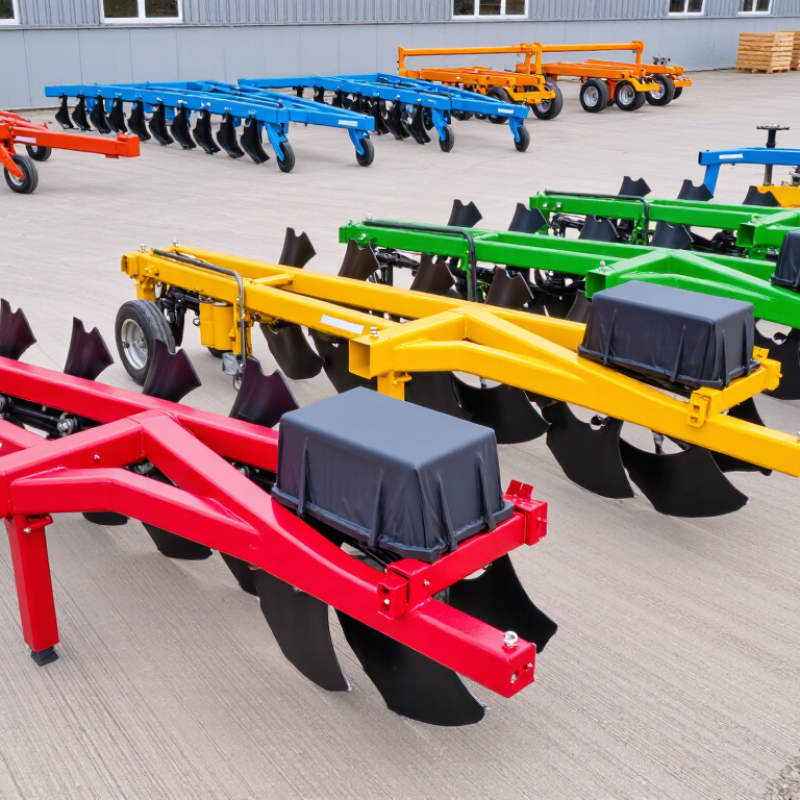
A tractor rotavator breaks and mixes soil with rotating blades powered by the tractor’s PTO. It helps prepare seedbeds, bury light residues, and level uneven ground. The machine is not simply a larger plough. Its gearbox, blade shape, frame weight, and rotor speed affect field performance.
Working width must match the tractor and field layout. Small units often cover 1.0 to 1.5 meters and suit compact tractors from about 18 to 35 horsepower. Medium models may reach 1.6 to 2.1 meters and need roughly 35 to 60 horsepower. Heavy machines can exceed 2.4 meters. They usually require more than 60 horsepower. These figures are practical ranges, not fixed rules. Wet clay can demand much more power than dry loam.
PTO standards deserve careful checking. The common agricultural setting is 540 rpm, with a compatible shaft, guard, and three-point linkage. Some tractors use 1,000 rpm, but the rotavator must be designed for that speed. Never assume compatibility from horsepower alone. Measure the PTO shaft position and confirm the tractor’s lift capacity. During supplier comparisons in China, prices often change with working width, steel thickness, gearbox quality, blade count, and shipping terms. A low quotation may exclude protective guards or spare blades. I would not treat the cheapest offer as the best value. Small details matter.
China’s rotavator manufacturers offer equipment for tractors from 15 to 90 HP. The correct match depends on horsepower, soil hardness, PTO speed, and working width. For 15–25 HP tractors, buyers often select 0.9–1.2 meter models. These machines suit vegetable plots, orchards, and light sandy soil. A 30–50 HP tractor can usually handle 1.25–1.8 meter rotavators. Stronger frames and deeper blades become more important here.
For 60–90 HP tractors, 1.8–2.3 meter models provide wider coverage and higher field output. However, wider is not always better. Heavy clay can overload the gearbox, especially when the tractor operates too slowly. Reliable manufacturers should provide clear blade specifications, gearbox ratings, PTO requirements, and tested working depths. Buyers should also request videos or inspection records from real field operations. A polished catalog proves little.
Prices vary with steel thickness, rotor diameter, blade quantity, hydraulic offset, and transmission design. Basic units may suit occasional farm use, while reinforced models cost more but tolerate stones and repeated seasonal work. Ask whether spare blades, bearings, and seals are readily available. Warranty terms matter too. One practical mistake is choosing by horsepower alone. Soil conditions can change the result. Before ordering, compare the tractor’s lift capacity with the machine’s actual weight, not only its advertised size.
China’s tractor rotavator market covers working widths from 1.0 to 2.5 meters. Smaller units suit orchards, vegetable plots, and narrow field lanes. Wider models reduce passes across open farmland. That saves time, but demands higher tractor power and stronger soil traction.
The 540 RPM PTO remains the common operating reference. ISO 500-1:2014 specifies 540 revolutions per minute for standard agricultural PTO systems. Operators should match engine speed, shaft protection, and implement load carefully. Field evaluations often find that a 1.5-meter rotavator balances maneuverability and coverage for medium farms. Soil moisture changes everything. Wet clay can overload the gearbox quickly.
FAO’s World Food and Agriculture Statistical Yearbook 2023 highlights continuing differences in farm mechanization access between regions. That gap affects practical purchasing decisions. A 1.0-meter machine may offer better control where fields are fragmented. A 2.5-meter model can lower fuel use per hectare when conditions are suitable. Wider is not always better. Manufacturer quotations usually vary with rotor diameter, blade count, side protection, gearbox construction, and steel thickness. Buyers should request PTO power requirements, rated working depth, shipping weight, and spare-part availability. Some published capacity figures appear optimistic. Test them against local soil and tractor performance.
China tractor rotavator prices generally range from USD 800 to USD 6,000, depending on model and configuration. A compact 1.0–1.2 meter machine for a 20–35 HP tractor often costs USD 800–1,500. These models suit vegetable plots, small farms, and lighter soil. A 1.5–1.8 meter rotavator matched with a 35–60 HP tractor commonly falls between USD 1,500 and USD 3,000. Heavy-duty 2.0–2.5 meter units may reach USD 3,000–6,000, especially with side shift, hydraulic adjustment, reinforced frames, or upgraded gearboxes.
Configuration changes the quotation quickly. Standard PTO drive, fixed skids, and ordinary blades keep costs lower. Stronger rotor tubes, replaceable tines, slip clutches, and adjustable working depth add practical value. Export prices may exclude freight, insurance, taxes, and local unloading charges. Confirm these details in writing. Also check PTO speed, required horsepower, gearbox oil grade, and available replacement parts before ordering.
In field inspections, I would examine welds, shaft alignment, blade thickness, and guard strength. Small details matter. A low price can hide thin steel, weak seals, or incomplete assembly. However, a higher quotation does not automatically prove better performance. Ask for photographs, a parts list, test records, and clear warranty terms. Price charts are useful, but they are not the whole decision. Soil type and working width may matter more than appearance.handzu
| Rotavator Configuration | Working Width | Recommended Tractor Power | Rotor Speed | Number of Blades | Approx. Weight | Indicative Export Price (USD) |
|---|---|---|---|---|---|---|
| Compact fixed-frame rotavator | 1.00 m | 18–25 hp | 240–300 rpm | 24 | 190–230 kg | $800–$1,050 |
| Light-duty fixed-frame rotavator | 1.25 m | 25–35 hp | 220–300 rpm | 30 | 250–300 kg | $950–$1,300 |
| Medium-duty fixed-frame rotavator | 1.50 m | 35–45 hp | 210–280 rpm | 36 | 330–390 kg | $1,150–$1,600 |
| Heavy-duty fixed-frame rotavator | 1.80 m | 45–60 hp | 200–260 rpm | 42 | 430–520 kg | $1,450–$2,050 |
| Reinforced heavy-duty rotavator | 2.00 m | 55–75 hp | 190–250 rpm | 48 | 520–650 kg | $1,850–$2,600 |
| Wide fixed-frame rotavator | 2.30 m | 65–85 hp | 190–240 rpm | 54 | 620–760 kg | $2,200–$3,050 |
| Hydraulic side-shift rotavator | 1.60 m | 45–65 hp | 200–270 rpm | 42 | 500–620 kg | $2,400–$3,400 |
| Hydraulic side-shift heavy-duty rotavator | 2.00 m | 60–85 hp | 190–250 rpm | 48 | 680–820 kg | $3,000–$4,200 |
| Folding-frame transport rotavator | 2.50–3.00 m | 80–110 hp | 180–240 rpm | 60–72 | 950–1,250 kg | $4,000–$5,200 |
| Commercial high-capacity folding rotavator | 3.00–3.50 m | 100–140 hp | 180–230 rpm | 72–84 | 1,250–1,650 kg | $5,000–$6,000 |
Note: Prices are indicative China export ranges for standard tractor-mounted rotavators and may vary according to blade type, gearbox specification, hydraulic equipment, paint finish, packaging, order quantity, freight, and applicable taxes. Final specifications should be confirmed against the supplier’s technical quotation.
When comparing China’s tractor rotavator suppliers, treat compliance documents as evidence, not decoration. The European Commission explains that CE marking is a manufacturer’s declaration of conformity, not a government quality seal. Ask for the Declaration of Conformity, applicable directives, test records, and the exact machine model. A certificate showing another product is a warning sign.
ISO 9001 indicates a quality-management system, but it does not guarantee perfect cultivation performance. The ISO Survey 2023 recorded more than 1.2 million ISO 9001 certificates worldwide. That scale shows its importance, yet certification scope still matters. Check the issuing body, certificate validity, factory address, and included processes. I once treated a valid certificate as proof of reliable delivery. That was too optimistic. Production controls and inspection records deserve equal attention.
Warranty terms can change the real purchase price. Compare coverage periods, excluded wear parts, labor responsibility, transport costs, and response times. Spare-parts support should be measurable. Request a current parts list, exploded drawings, stock locations, and prices for blades, gearboxes, belts, and bearings. The FAO’s machinery research repeatedly links equipment uptime with timely maintenance and parts availability. Do not accept “parts available” without a written lead-time target. A practical test is simple: request three commonly replaced parts before ordering. Slow replies reveal operational risk. Price is only one line in the comparison.
Use this verification checklist before comparing quotations. Confirm CE documentation for applicable machinery, request a valid ISO 9001 certificate, obtain warranty terms in writing, and verify spare-parts availability, lead times, and after-sales procedures.
Choose a 0.9–1.2 meter model. It suits vegetable plots, orchards, and light sandy soil. Check lift capacity carefully.
A 1.25–1.8 meter machine usually fits this range. Stronger frames and deeper blades help with harder soil. Wider is not always better.
A 1.8–2.3 meter model can provide broad field coverage. Heavy clay may still overload the gearbox. Test slowly and carefully.
Yes, 540 RPM is the common agricultural reference. Match engine speed, shaft protection, and implement load. Never guess.
Prices commonly range from USD 800 to USD 6,000. Steel thickness, rotor diameter, blade quantity, and gearbox design affect the quotation.
A 1.0–1.2 meter model may cost USD 800–1,500. It often suits 20–35 HP tractors and lighter soil. Freight may cost extra.
Request blade details, gearbox ratings, working depth, shipping weight, and PTO requirements. Examine welds, shaft alignment, seals, and guard strength.
Wet clay can overload the gearbox quickly. Dry or sandy soil may be easier to cultivate. Soil conditions matter more than appearance.
Wider machines reduce passes across open fields. They also need more power and traction. Narrower units may work better in fragmented fields.
Ask about blades, bearings, seals, and replacement availability. Confirm warranty coverage in writing. A polished catalog proves little.
A Tractor Rotavator is a PTO-driven implement designed to break, mix, and level soil efficiently before planting. This guide explains how working width, tractor horsepower, and PTO standards affect performance, with practical advice for matching machines to tractors from 15 to 90 HP. It covers common working widths from 1.0 to 2.5 meters and the importance of a compatible 540 RPM PTO system for safe, reliable operation.
The article also reviews typical China Tractor Rotavator prices, ranging from approximately USD 800 to USD 6,000 depending on size, materials, gearbox design, and configuration. Buyers will learn how to compare suppliers by checking CE and ISO 9001 documentation, warranty terms, manufacturing quality, delivery arrangements, and spare-parts support. Careful evaluation of these factors can help farmers and distributors select a durable, cost-effective rotavator suited to their soil conditions and tractor capacity.
