 Changlaishun
Changlaishun
Changlaishun
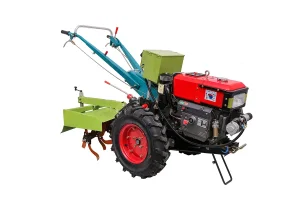
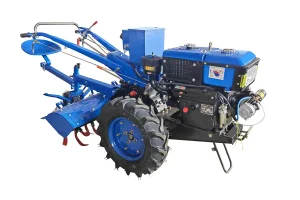
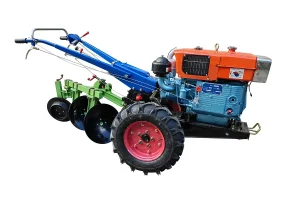
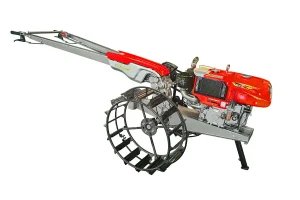
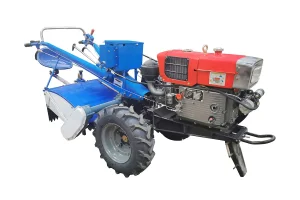
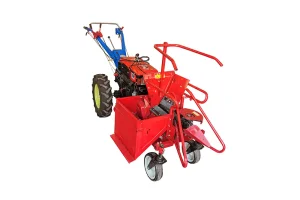
The Japanese agricultural sector is characterized by a unique "Satoyama" landscape—small, often terraced plots that demand precision, maneuverability, and durability. Unlike the massive monoculture farms of North America, Japan’s 1.3 million farm households primarily manage land under 2 hectares. This makes the walking tractor (power tiller) an indispensable tool for rice paddy maintenance in Niigata and vegetable cultivation in Ibaraki.
Currently, the Japanese market is witnessing a shift. As the farming population ages, there is a surging demand for Electric Start systems and vibration-reduction technology to ensure ease of use for senior operators. Our walking tractors are engineered to bridge the gap between traditional reliability and modern ergonomic requirements, providing a cost-effective alternative to domestic brands like Kubota or Yanmar without compromising on build quality or engine longevity.
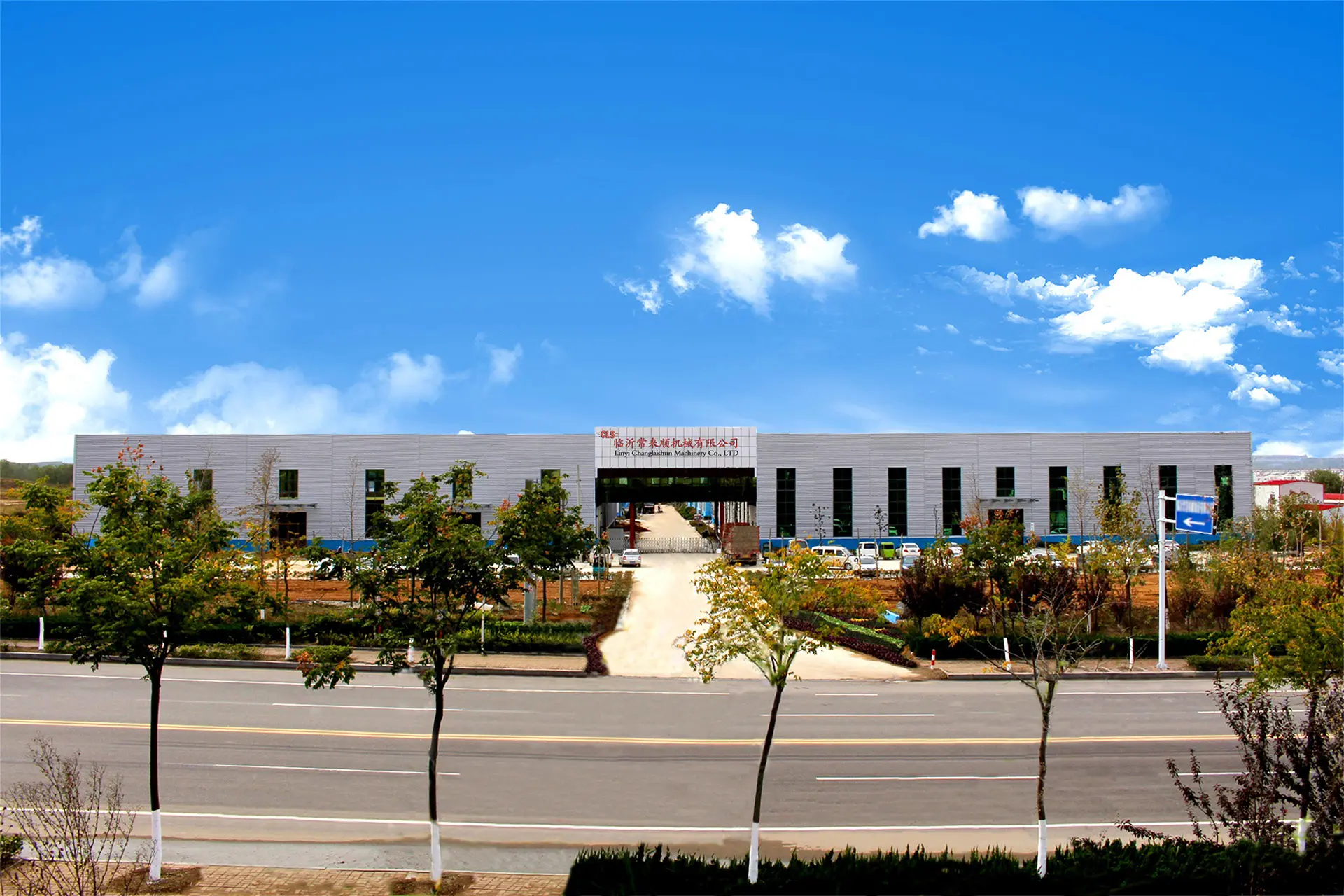
Linyi Changlaishun Machinery: Where Quality Meets Global Logistics
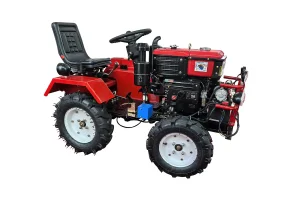
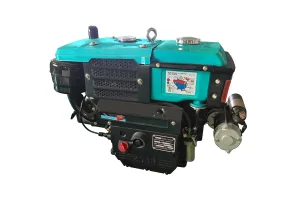
Linyi Changlaishun Machinery Co., Ltd. stands as a beacon of excellence in the agricultural machinery industry. With an annual production capacity of 100,000 diesel engines and 50,000 walking tractors, we represent the pinnacle of China’s "Agricultural Machinery Valley" (Linyi). Our supply chain resilience is rooted in our vertical integration—we control everything from the core engine casting to the final assembly of the 101, 121, and 151 tractor series.
Annual production of high-performance diesel power units.
Global distribution of 8HP to 32HP walking tractors.
Serving Japan, SE Asia, Africa, and Eastern Europe.
Continuous investment in fuel efficiency and low-emission tech.
Our R&D department is focused on three primary pillars for the 2024-2030 roadmap:
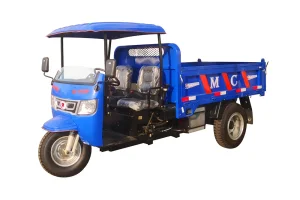
In Japan, localized scenarios include inter-row cultivation in greenhouse settings and transportation of harvest in mountainous regions using our engineering-grade three-wheeled vehicles. Our OEM/ODM capabilities allow for custom gear ratios specifically tuned for "heavy mud" Paddy fields.

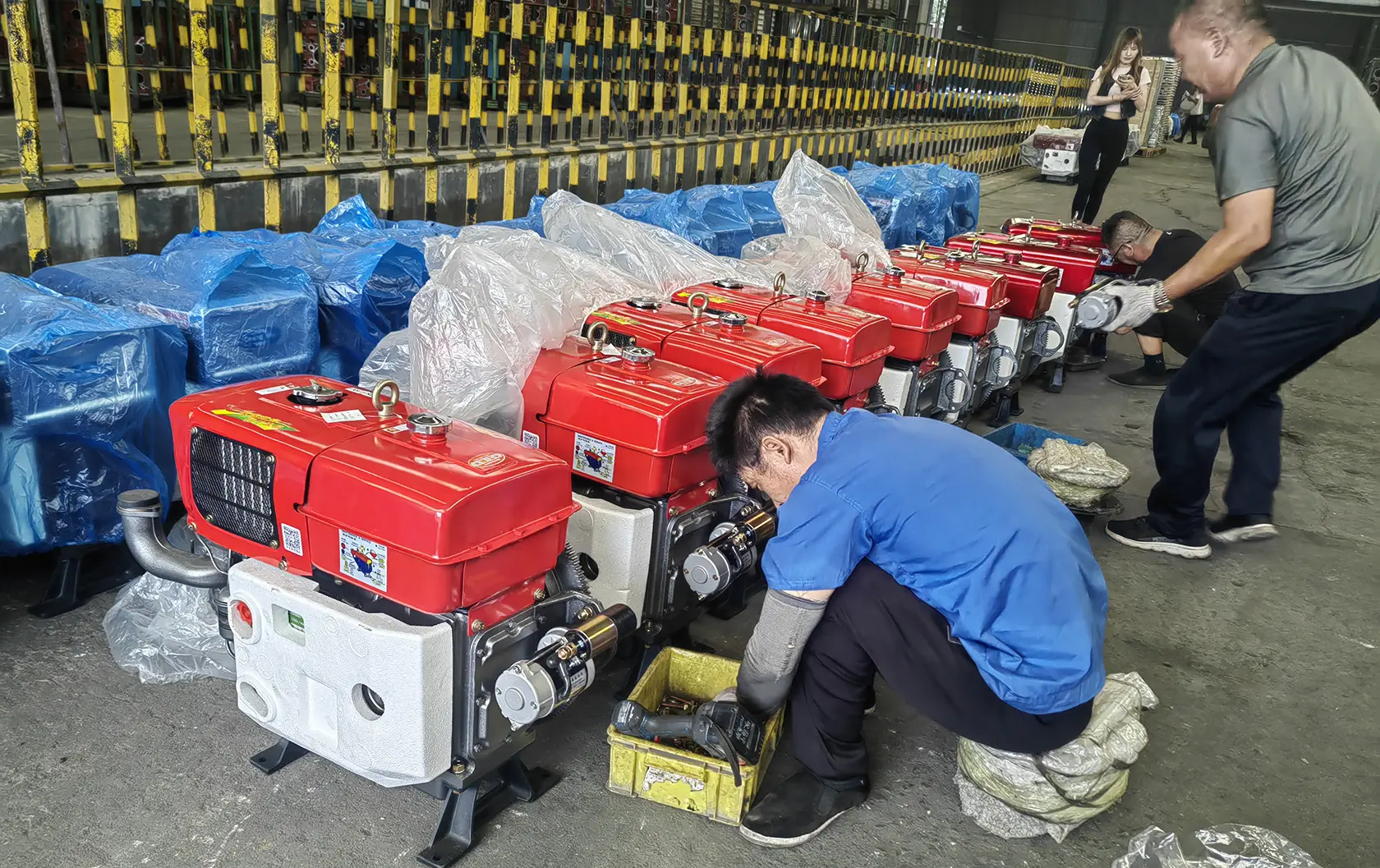
Guided by the principle of "quality first, customer top," we prioritize customer satisfaction above all else. To maintain our edge in the industry, we continuously invest in research and development, striving to improve the technical prowess of our enterprise and bolster the competitiveness of our products in the global market.
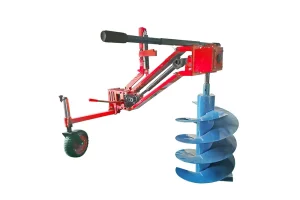
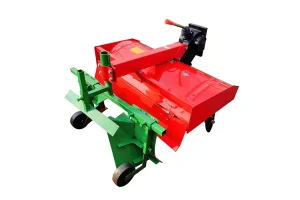
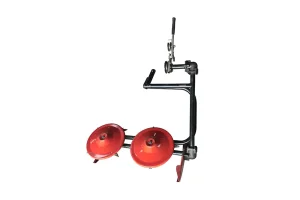
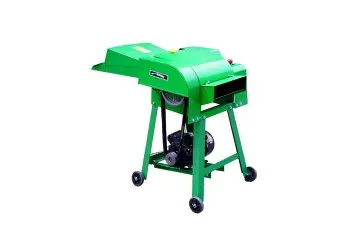
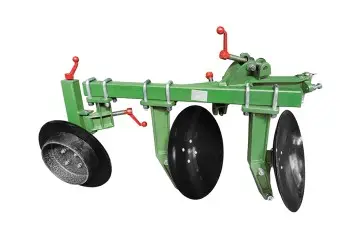
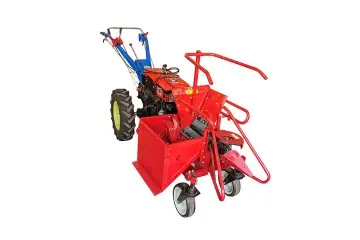
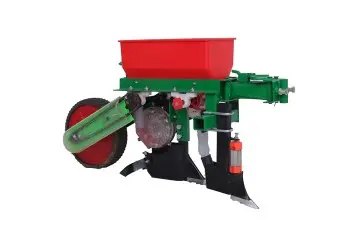
Our commitment to quality is unwavering; we firmly believe that survival in today's competitive market hinges on the superiority of our products, while growth and expansion are driven by our stellar reputation among customers worldwide. We offer a comprehensive suite of farm tools designed to enhance productivity and efficiency on the field.
Leading the Industry with Professionalism and Integrity

Leading the future of the industry with R&D.

Creating excellent quality through rigorous testing.

Winning the trust of global customers since inception.

Improving production efficiency for faster delivery.
The global walking tractor market is projected to grow significantly as emerging economies modernize their agricultural practices. However, the requirements vary wildly. In Europe, the focus is on CE Certification and emissions. In Japan, the focus is on JIS (Japanese Industrial Standards) compliance and physical dimensions—tractors must be able to fit into standard transport trucks (Kei trucks).
Our Linyi factory has adapted to these requirements by implementing modular design. A single chassis can be configured with either an evaporative cooling diesel engine for hot climates or a condensing type for colder regions like Northern Japan. We provide full documentation for local registration and subsidy applications in various Japanese prefectures.
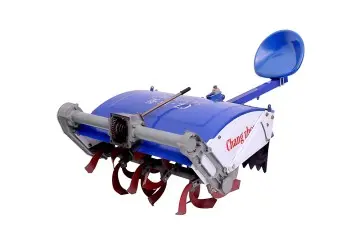
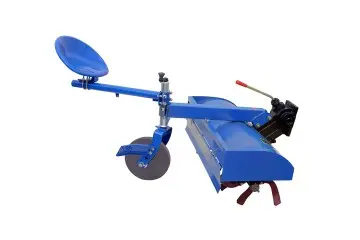
A: Yes, we offer specific OEM configurations that include safety shields, emergency stop levers, and lighting systems that align with the requirements for use in Japanese Satoyama farming environments.
A: Most of our models (101, 121, 151) feature universal hitch points and standard PTO shaft dimensions. We can also customize the output shaft to match specific regional attachment standards.
A: Typical production time for a container load is 15-20 days. Shipping from Qingdao to Tokyo usually takes 3-5 days, making the total lead time very competitive for Japanese distributors.
A: We provide a comprehensive spare parts kit with every order. Additionally, we are looking for local dealers in Japan to expand our on-site technical support network.
High-Precision Equipment for Every Farming Need